The Mirror Test
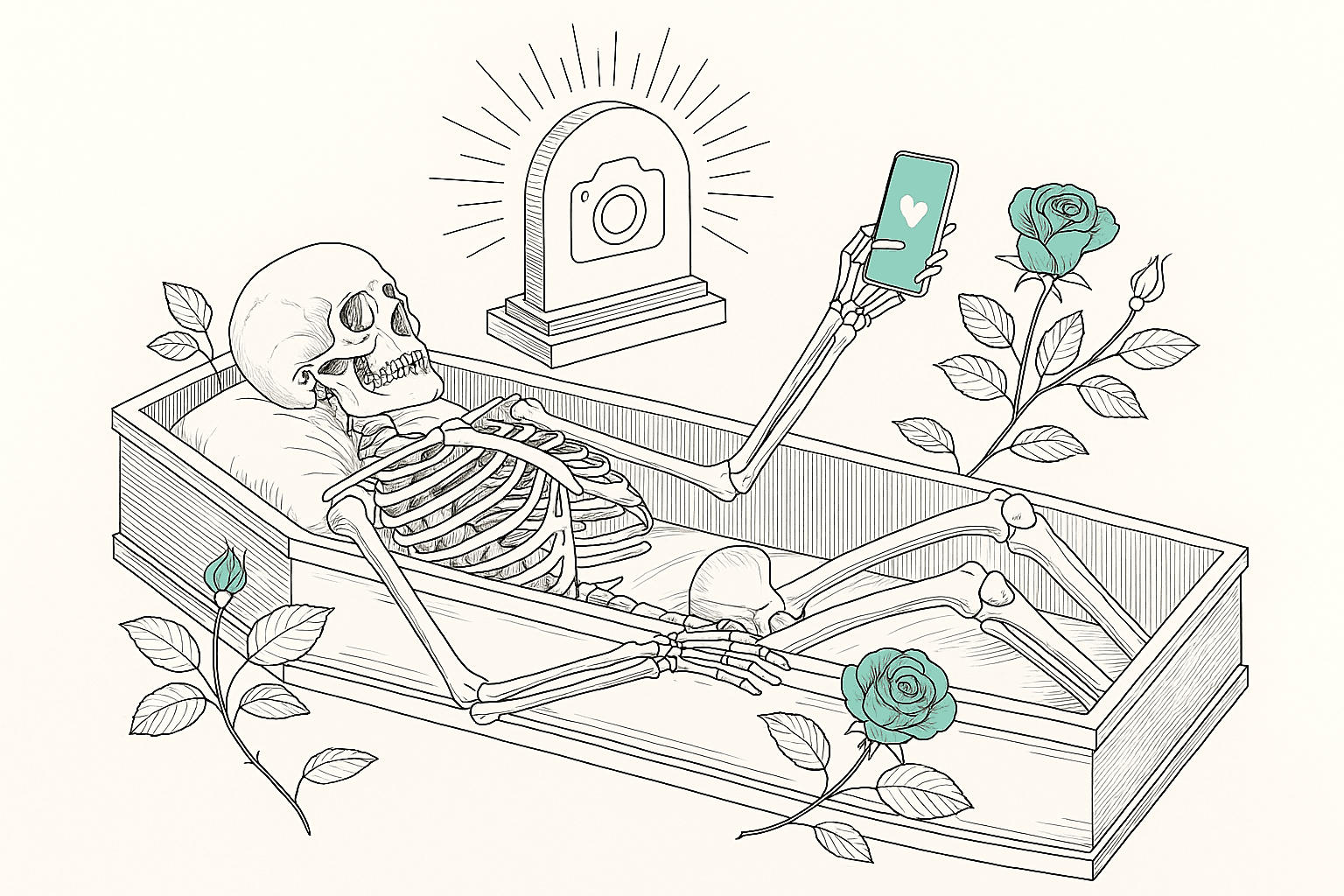
Before you fire anyone, run the Mirror Test. Look at yourself first.
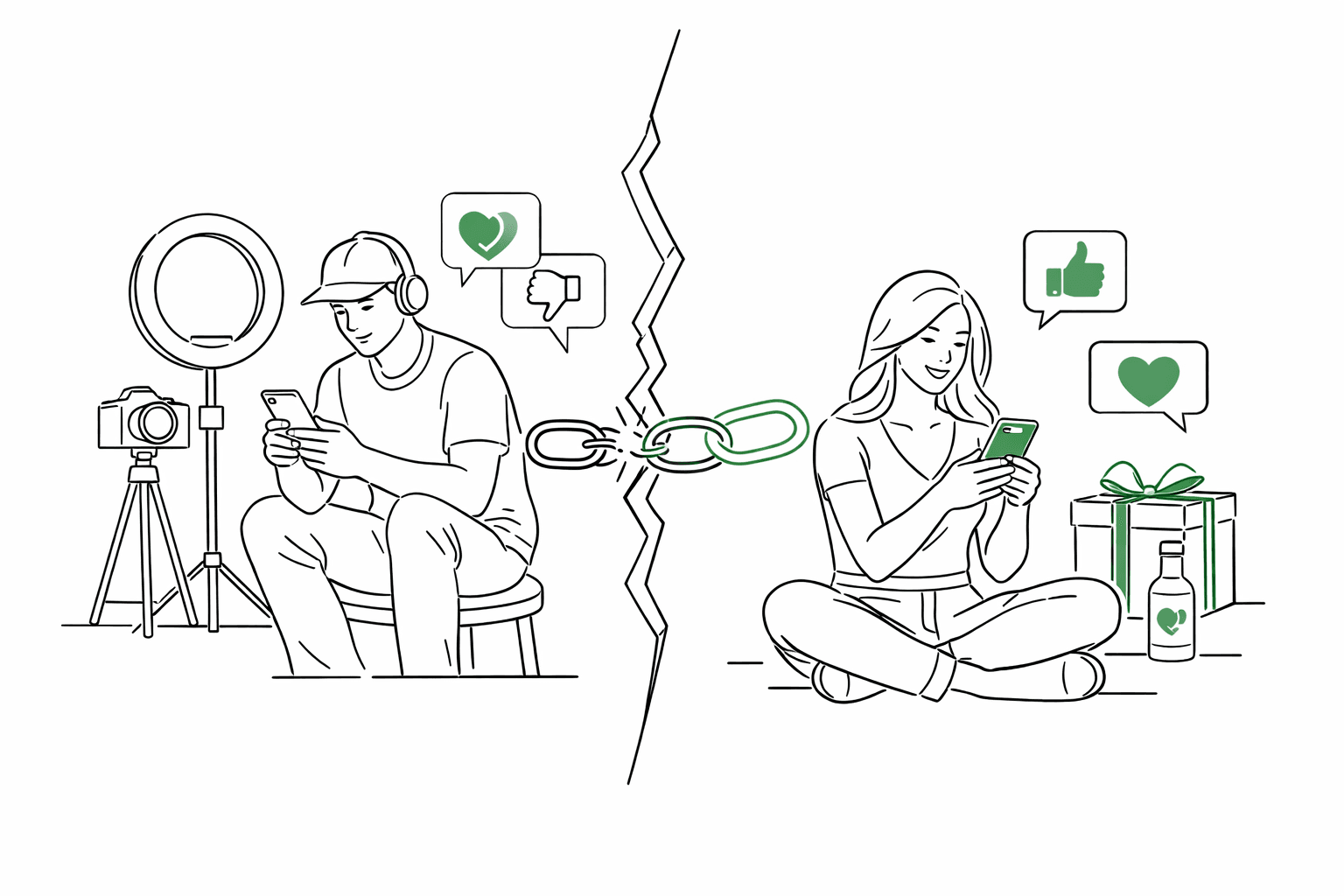
Most "bad" influencer partnerships aren't bad influencers. They're bad setups. The creator is the symptom, not the disease. And if you don't diagnose correctly, you'll fire this one, hire a new one, and repeat the same failure with a different face.
Three questions to ask yourself honestly:
Was your brief actually clear? Not "did you send a brief." Was it specific enough that a stranger could execute it? If it said "create engaging content that showcases the product," you didn't write a brief. You wrote a wish. Vague inputs produce random outputs.
Did you give them enough time? Quality creator content takes 2-3 weeks from brief to publish. Concept, shooting, editing, captions, your review. If you gave them 5 days and got mediocre work, you bought mediocre work.
Are your expectations calibrated? A 15K creator will not drive $10,000 in trackable revenue from one post. That's not how the math works. Nano-influencers (under 50K) deliver 2-4% engagement and high trust. They don't deliver massive reach. If you expected celebrity results from micro-creator prices, you set yourself up.
If you failed the Mirror Test, the fix isn't finding a new creator. It's fixing your process.
The Three Fires
Some partnerships should end. Not every problem is yours. Here's how to know you're looking at a creator problem, not a setup problem:
Fire 1: Pattern behavior
One missed deadline is life. Two is a yellow flag. Three is a pattern.
The "3 strikes" rule exists because it's fair and diagnostic. Reliable people occasionally have bad weeks. Unreliable people have patterns. By strike three, you're not overreacting. You're recognizing a pattern that won't change.
Same goes for ghosting. Two unanswered messages a week apart? They've made their choice. You're just slow to accept it.
Fire 2: Structural mismatch
You can fix a bad brief. You can try a new content format. You can adjust timing. You cannot change who follows them.
If their audience is 70% in a country you don't ship to, or wrong age demo, or engaged with lifestyle content while you're selling B2B software, no amount of optimization fixes that. This is a vetting failure. Acknowledge it, end the partnership, and fix your discovery and outreach process.
Fire 3: Decay
The first post was great. Posts two through four got progressively lazier. Generic captions. Recycled angles. Phone-it-in energy.
This is what it looks like when someone's mentally checked out but still wants the check. When their best work is their audition and everything after is worse, the trajectory doesn't reverse. End it before you waste more budget on declining returns.
The Misread
Here's what trips people up: symptoms that look like failure but aren't.
Low sales on campaign one. Research shows consumers engage with brands 6-20 times before buying. That influencer post was touch four, not the closer. You're measuring a marathon by the first mile. Don't judge conversion until 2-3 campaigns with the same creator. One campaign is a sample size of one.
Engagement dropped from their average. Before you blame them, check: is their organic content also down, or just your sponsored posts? If everything's down, that's an algorithm shift hitting everyone. Not their fault. If only your posts are down, that's signal worth investigating.
They pushed back on your brief. You wanted 60 seconds. They said their audience drops off after 30. You wanted product focus. They said lifestyle performs better.
This isn't insubordination. It might be the most valuable thing they've told you.
Good creators know their audience better than you do. Resistance with reasoning ("my engagement tanks when I do X") is intelligence. Resistance without explanation is laziness. Learn to tell the difference.
The Decision Tree
When you're unsure, run through this:
Is it behavior or results?
Behavior problems (reliability, communication, contract violations) rarely improve. You can't coach someone into being responsive. Lean toward ending.
Results problems (content not performing, low engagement) need more diagnosis. Keep going.
Is the results problem structural or tactical?
Structural = audience mismatch, wrong platform, niche doesn't fit. These can't be fixed. End it.
Tactical = unclear brief, wrong format, bad timing, over-scripted content. These can be fixed. Try once more with specific changes.
Have you actually tried to fix it?
Not "mentioned it in passing." Actually tried. Specific feedback. Revised brief. Different format. Clear success metrics.
If yes and still no improvement: you gave it a fair shot. End it.
If no: give specific feedback, try one more campaign with clear goals, then reassess.
How to Fix It
If you've decided the problem is tactical, here's what works:
Name the gap specifically. Not "the last campaign didn't land." Say: "Your last 3 posts averaged 1.2% engagement versus your usual 3.5%. What do you think happened?" Lead with observations, not accusations. They usually have a theory.
Revise the brief together. Instead of handing them a new one, ask: "What would you do differently?" Let them own it. Their read on their audience is probably better than your assumptions.
Set a clear evaluation point. "Let's try 2 more posts with these changes. If engagement doesn't hit X%, we'll go a different direction." This is fair to both of you. No ambiguity.
How to End It
When it's time, do it clean:
Check the contract first. Notice period, content rights after termination, outstanding payments. Don't surprise them if you owe 30 days' notice.
Be direct. "We've decided to go a different direction" is enough. If they want specific feedback, give it honestly: "Engagement on sponsored content didn't meet our benchmarks."
Never ghost. The creator community is smaller than you think. Word travels. Burning one relationship can cost you access to ten others.
Handle logistics fast. Within 48 hours: deactivate discount codes, remove affiliate access, clarify content rights in writing, process final payments. A clean exit prevents disputes.
Leave the door open. "This didn't work out, but if things change on either side, we'd be open to reconnecting." Costs nothing. Their audience evolves. Your brand evolves. Today's mismatch might be next year's perfect fit.
The Real Fix
Here's the uncomfortable truth: most partnership failures are vetting failures.
You picked the wrong creator. Or you didn't set expectations clearly enough. Or you expected results that the structure couldn't deliver. The partnership was set up to disappoint before it started.
Getting better at ending partnerships is useful. Getting better at starting them is the actual leverage.
Before your next campaign: vet audience demographics, not just follower count. Check that engagement is real (read the comments, not just the numbers). Look at how their past sponsored content performed. Build in evaluation points instead of committing to long-term deals upfront. If you need to rebuild your roster, start with a stronger creator discovery process.
The goal isn't to avoid all bad partnerships. That's impossible. The goal is to recognize them fast, learn what went wrong, and make better picks next time.