UGC has stopped being a nice-to-have. User-generated content, the casual, creator-shot video that looks like a real person talking to their phone, now outperforms polished studio creative in most paid feeds because it doesn't read as an ad. If you run performance marketing for a brand or agency, you already know the bottleneck isn't the idea. It's sourcing enough good creators to keep the content engine fed without burning a week per campaign on outreach.
That's what UGC platforms promise to fix. The problem is the category is a mess of very different products all calling themselves "UGC platforms." Some are managed services that ship you finished videos. Some are self-serve marketplaces where you post a brief and creators apply. Some are full influencer suites with UGC bolted on. They price differently, vet differently, and break down at different points. Pick the wrong type and you'll either overpay for hand-holding you don't need or drown in unvetted applicants you can't sort.
This is a hands-on comparison written for the brand and agency side, not a list of affiliate links. We'll define the real categories first, then compare the best UGC platforms for 2026 on the four things that actually matter when you're choosing: creator pool size, vetting quality, pricing model, and ease of use. We'll be honest about where each one wins and where it doesn't, and we'll be clear about where Influship fits, which is a different shape from a marketplace and isn't the right tool for every job.
One caveat up front, applied throughout: vendor pricing in this space changes constantly and is often gated behind a sales call. Every number below is directional. Verify current pricing on the vendor's own site before you commit budget.
What "UGC platform" actually means (three different products)
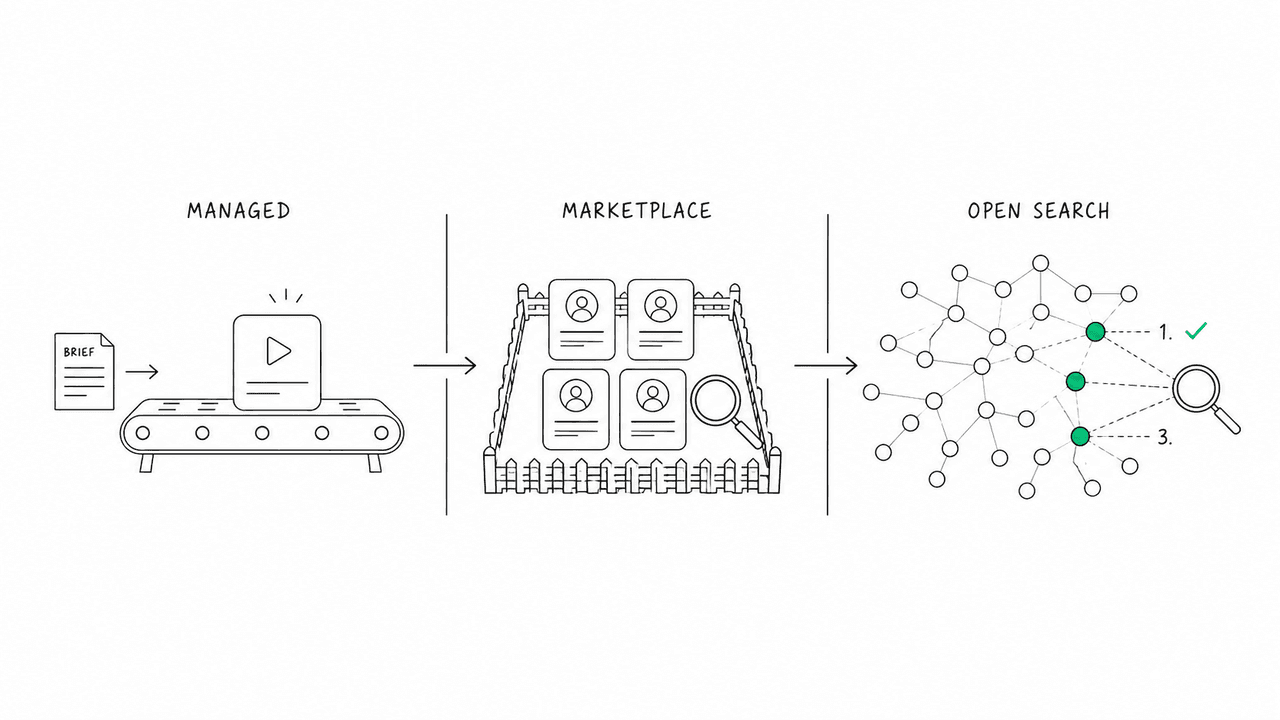
Before comparing anything, separate the three models. They solve different problems and confusing them is the most common buying mistake.
1. Managed / done-for-you UGC services
You submit a brief, the platform handles creator selection, briefing, and delivery, and you get finished videos back. Billo and Trend lean this way. The appeal is speed and zero operational overhead. The tradeoff is per-video cost, less control over which specific creators you work with, and content that can feel templated because the same production pipeline serves everyone.
2. Self-serve UGC marketplaces
You create a listing or brief, creators browse and apply or you browse their profiles, and you transact directly. Collabstr and Insense sit here. You get more control and usually better unit economics, but you do the work: writing briefs, sorting applicants, vetting, and managing the back-and-forth. The pool is only as useful as your ability to filter it.
3. Discovery engines and search APIs
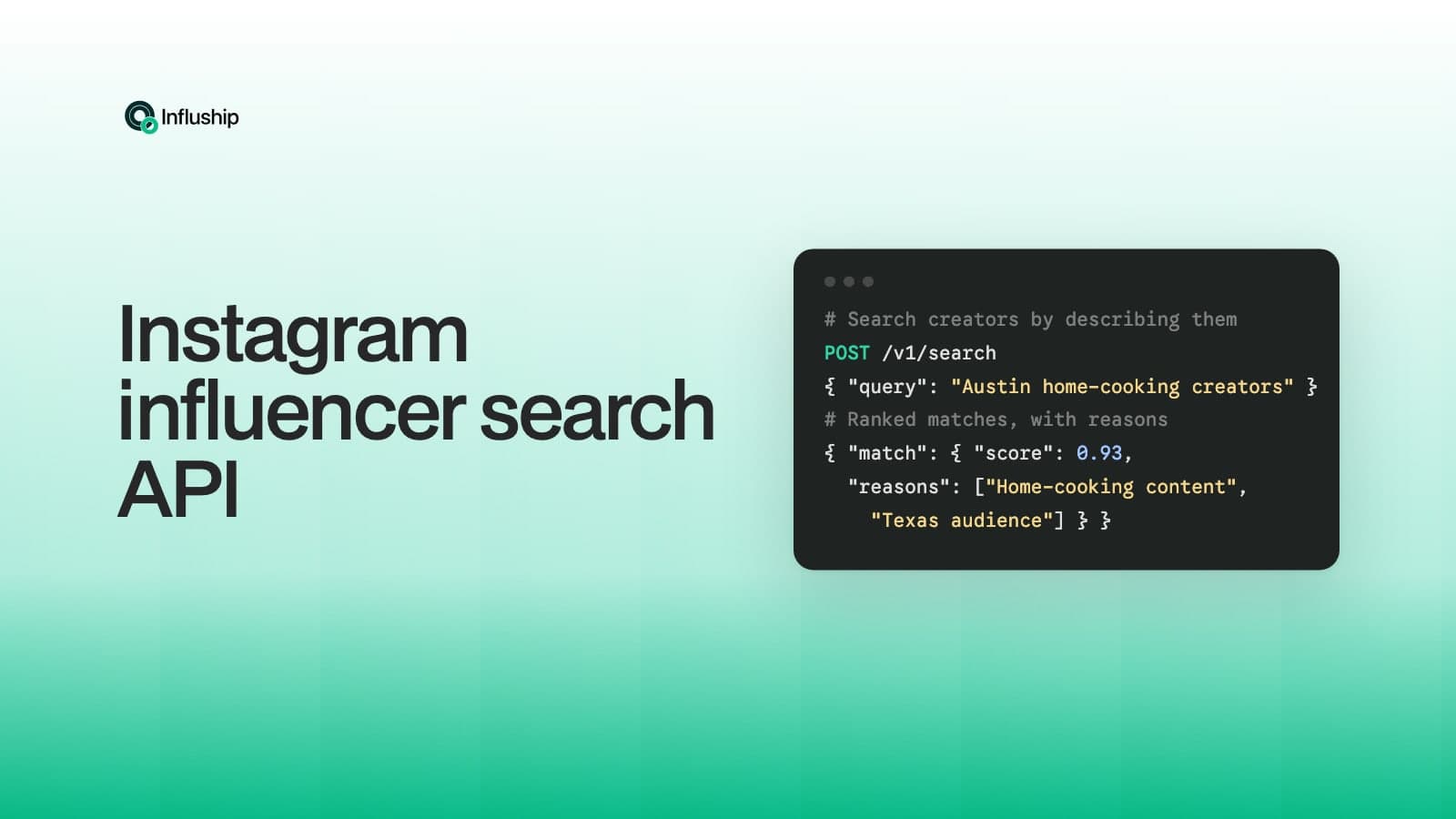
Instead of a closed roster of opted-in creators, these search the open social graph. You describe the creator you want and get matches ranked by fit, with audience and engagement data attached. Influship is built this way. This is the right tool when you want reach beyond a marketplace's opted-in pool, or you're building creator sourcing into your own product or workflow. It's the wrong tool if you want someone to hand you a finished video next week. For the broader category map, see our guide to UGC creators.
The comparison: best UGC platforms for 2026
Here's the honest head-to-head. "Creator pool" reflects roster size and reach. "Vetting" is how much the platform pre-qualifies creators versus leaving it to you. "Pricing" is directional and varies by usage rights, video length, and plan, so treat it as a shape, not a quote.
| Platform | Model | Creator pool | Vetting | Pricing (directional) | Best for |
|---|---|---|---|---|---|
| Collabstr | Self-serve marketplace | Mid (opted-in roster) | Light (profile-level) | Per-creator, often flat-ish per deliverable; no platform subscription | Brands wanting a simple, transactional marketplace with no contract |
| Insense | Marketplace + ads integration | Mid-large | Moderate | Subscription tiers plus creator payouts | DTC teams running UGC straight into Meta/TikTok ads |
| Trend | Managed / curated marketplace | Curated, smaller | Higher (hand-vetted) | Per-campaign / per-creator | Brands prioritizing content quality over pool size |
| Billo | Done-for-you video | N/A (you order videos) | Platform-managed | Per-video, packaged | Volume ad creative fast, minimal management |
| Cohley | Enterprise content + UGC suite | Large | Higher | Enterprise / annual contract | Larger brands needing content at scale plus rights management |
| Influship | Discovery engine / search API | Very large (open social graph) | Built-in data (audience, engagement, fake-follower signals) | Usage-based; self-serve plans plus API | Sourcing creators beyond a closed roster, or building discovery into your own workflow |
The table flattens real tradeoffs, so let's walk through what each one is actually like to use.
Collabstr
Collabstr is the easiest on-ramp. No subscription, no sales call, you browse creators and pay per deliverable. For a small brand that wants three UGC videos this month without committing to a platform, it's hard to beat on simplicity. The limits show up at scale: the roster is opted-in and finite, vetting is light, and once you need dozens of creators matched to a specific niche, manually scrolling listings gets slow. Great starter, weak engine.
Insense
Insense earns its place with the ads integration. It's built for DTC teams that want UGC flowing directly into Meta and TikTok ad accounts with usage rights handled, which removes real friction from the creative-to-campaign loop. The pool is solid and the workflow is purpose-built for performance marketers. You pay a subscription on top of creator costs, so it makes most sense when UGC-for-ads is a continuous program, not a one-off.
Trend
Trend trades pool size for curation. Its roster is hand-vetted, and brands that have been burned by inconsistent quality on open marketplaces tend to like the higher floor. If your priority is "every video comes back usable," the curation is worth something. The cost is selection: a smaller, curated pool means fewer exact-fit creators for narrow niches, and you're paying for the curation layer.
Billo
Billo isn't really a marketplace, it's a video vending machine. You order videos by spec, the platform routes them to creators, and finished files come back. For a performance team that needs ten ad variations next week and doesn't care which specific creators make them, that's the fastest path to volume creative. The tradeoff is the obvious one: you're buying production throughput, not relationships or reach, and the content can feel produced-to-template.
Cohley
Cohley is the enterprise option, pairing a large creator pool with content generation and rights management aimed at bigger brands. If you have the budget and need content at scale across many SKUs with proper licensing, it's built for that. For a small or mid brand it will be overkill, and the enterprise contract and onboarding are a real commitment. Right tool, specific buyer.
Influship
Influship is the odd one out by design, and that's the point. Marketplaces hand you a closed roster of creators who opted in. Influship searches the open social graph, so the pool isn't capped by who signed up to a platform. You describe the creator you want in plain language, "UGC creators in home and kitchen with an engaged US audience under 80K followers who already post product reviews," and get ranked matches with audience quality, engagement, and fake-follower signals attached. See how the discovery works.
Where this wins: reach beyond any marketplace's opted-in pool, sharper niche targeting through semantic search instead of crude follower-range filters, and a search API you can wire into your own sourcing workflow. Where it doesn't: if you want a finished video delivered next week with zero involvement, a done-for-you service like Billo is the better fit. Influship finds and vets creators at scale, it doesn't produce the content for you.
How to choose a UGC platform: a checklist
Match the tool to your situation, not to whichever brand ran the loudest ad. Work through these in order.
- Do you want finished videos or creators? If you want files delivered with no management, look at done-for-you (Billo) or curated managed services (Trend). If you want to find and work with creators, look at marketplaces or discovery engines.
- How big is your pool requirement? A handful of videos a month fits a simple marketplace. Sourcing dozens of niche-matched creators per campaign needs a real discovery engine that searches beyond a closed roster.
- Is this for ads? If UGC feeds straight into paid social, prioritize platforms with rights management and ad-account integration (Insense) so usage licensing doesn't become a bottleneck.
- How much vetting do you need to do yourself? Light-vetting marketplaces push the work onto you. If you can't spare time to sort applicants, pay for curation or use a platform that ships audience and fake-follower data with every match.
- What's your pricing model tolerance? Per-video, per-creator, subscription, and usage-based all exist. Map the model to your cadence: subscriptions reward continuous programs, per-deliverable suits one-offs.
- Do you need an API or integration? If creator sourcing is part of a product you're building or a workflow you want automated, a search API matters more than a pretty dashboard.
- Niche specificity. The narrower your creator profile, the more a closed roster fails you and the more semantic search over the open graph pays off.
The vetting problem nobody markets
Every platform sells pool size. Almost none lead with vetting, and vetting is where UGC campaigns quietly fail. A creator with 40K followers and a beautiful feed can have a bought audience, dead engagement, or a follower base in entirely the wrong country. On a light-vetting marketplace, you find this out after you've paid.
Build the check into your process regardless of platform. Look for engagement that's proportional to follower count and on-topic, comments that read like real humans, and an audience geography and demographic that matches who you sell to. Our walkthrough on how to detect fake followers covers the tells. The advantage of a data-first discovery engine is that those signals come attached to every result, so you're filtering bad creators out before outreach instead of discovering them after the invoice.
UGC platforms vs. a search API: which problem are you solving?
Here's the cleanest way to think about it. Marketplaces and done-for-you services optimize for convenience: a contained pool, a clean workflow, content you can buy today. That's genuinely valuable when your volume is modest and your niche is broad.
A search API optimizes for reach and control: the full social graph instead of an opted-in roster, semantic matching instead of follower filters, and programmatic access so sourcing scales without scaling headcount. That's the right call when you've outgrown a marketplace's pool, when your targeting is too specific for crude filters, or when you're an agency or product team that needs creator data as infrastructure. Plenty of teams run both: a marketplace for quick one-offs, a discovery engine for scaled, niche sourcing. For the wider tool landscape across discovery, outreach, and management, see our best influencer marketing tools roundup.
Bottom line
There's no single best UGC platform, only the best fit for your volume, niche, and workflow. If you want finished videos with zero overhead, Billo or Trend. If UGC feeds your paid social, Insense. If you want a dead-simple no-contract marketplace, Collabstr. If you're an enterprise needing content at scale, Cohley. And if your bottleneck is finding the right creators, at scale, beyond any closed roster, and you want the audience data attached, that's the gap Influship was built to fill. Compare plans and pricing, or request a demo to see discovery run on your exact creator brief.
Frequently asked questions
What is the best UGC platform for small brands?
For a small brand that wants a few videos without commitment, Collabstr is the simplest starting point: no subscription, pay per deliverable, browse and book. As your volume grows or your niche narrows, you'll outgrow a closed roster and benefit from a discovery engine that searches the open social graph and ships audience data with every match.
What's the difference between a UGC platform and an influencer platform?
UGC platforms focus on content production, creators shooting native-style video you use as ad creative or organic posts, often without large audiences of their own. Influencer platforms focus on reach and audience, paying creators to post to their followers. The line blurs because many creators do both, and tools like Influship cover discovery across the full spectrum from pure UGC creators to large influencers.
How much do UGC platforms cost?
It varies widely by model. Done-for-you video services price per video, marketplaces charge per creator or a subscription plus creator payouts, and discovery engines tend toward usage-based pricing. Enterprise suites run annual contracts. Because pricing changes often and is frequently gated behind a sales call, verify current numbers on each vendor's site before budgeting.
Can I find UGC creators without using a marketplace?
Yes. A discovery engine or search API searches the open social graph instead of a closed, opted-in roster, which means you're not limited to creators who signed up to one platform. You describe the creator you want and get ranked matches with audience and engagement data, then handle outreach directly. That's the model Influship uses.
Sources and further reading
- Influencer Marketing Hub — Influencer Marketing Benchmark Report (market size, platform spend, and creator economy growth).
- Collabstr (verify current marketplace pricing and roster).
- Insense (verify current plans and ad integration features).
- Federal Trade Commission — Disclosures 101 for Social Media Influencers (disclosure rules that apply to paid UGC and partnerships).
- Influship — Best Influencer Marketing Tools (the wider discovery, outreach, and management tool landscape).