GRIN is a creator management platform built for ecommerce. It connects to Shopify and WooCommerce, automates product seeding and discount codes, tracks affiliate sales, and gives DTC brands a single place to run an always-on creator program. For a mid-sized ecommerce brand with a steady gifting and ambassador motion, it's a genuinely strong product. That is the brand it was built for, and it serves that brand well.
If you're searching for GRIN alternatives, the reason is usually one of a few specific things: the annual contract, the seat-based pricing that climbs as your team grows, the commitment required before you've proven the tool fits, or the fact that GRIN's discovery is the weakest part of an otherwise solid relationship-management product. None of those are knocks on GRIN as a platform — they're mismatches between what GRIN optimizes for and what some teams actually need.
This article covers six platforms worth evaluating, with honest takes on what each one does well and where it falls short. Some are full GRIN replacements; others are sharper at one part of the job (discovery, fraud detection, affiliate) than GRIN is. We'll be clear about which is which. If you specifically want a head-to-head on one tool, we keep a dedicated Influship vs GRIN comparison separate from this roundup.
One note on the numbers below: GRIN doesn't publish pricing, and most enterprise tools in this space quote custom contracts. Every price and feature claim here is directional and based on publicly available information at the time of writing. Verify current pricing and feature sets on each vendor's own site before you commit — these things change.
Why Brands Look for GRIN Alternatives
Before the alternatives, it's worth naming what actually drives the search. These are the recurring reasons brands evaluate something other than GRIN:
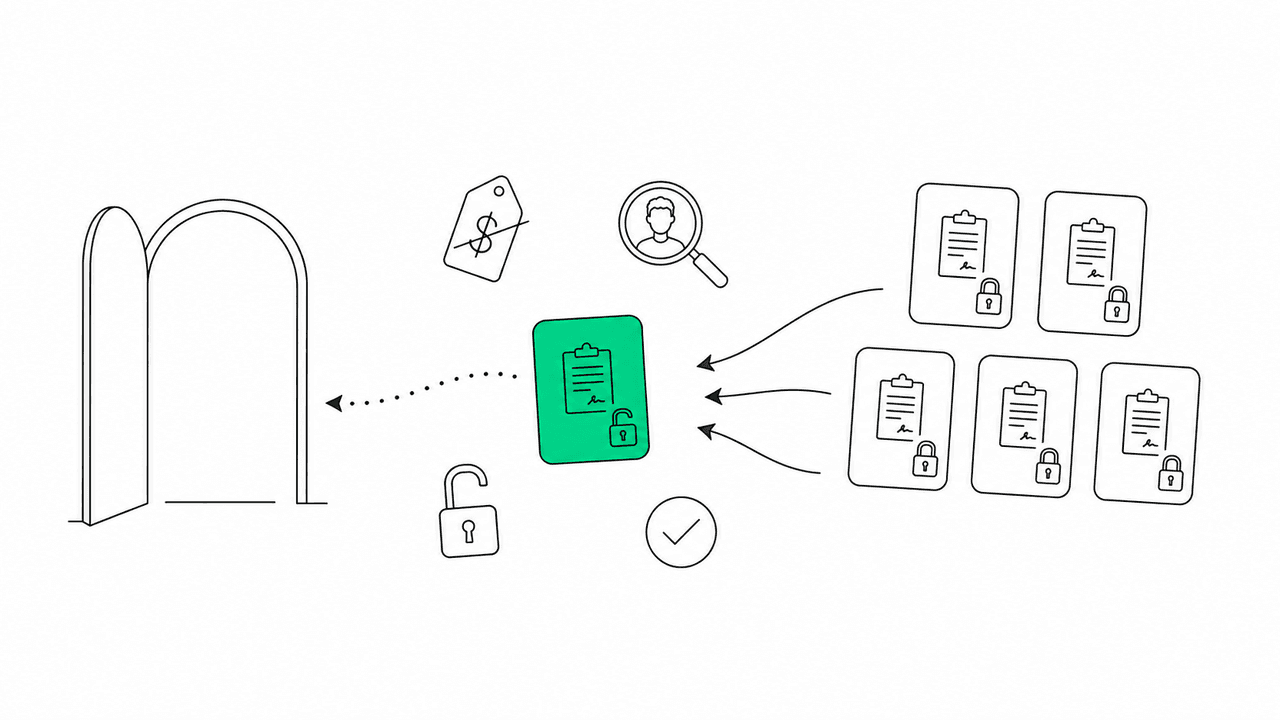
- Annual contracts and a sales-gated process: GRIN is sold through a demo and an annual agreement, not self-serve signup. You can't swipe a card and start today. For a team that wants to test a tool against a live brief this week, that's a real barrier.
- Seat-based pricing that scales with the team: Costs tend to climb as you add users and as your program grows. Brands that started small and grew often find the renewal number larger than they expected.
- Discovery is the weak link: GRIN's strength is managing relationships and ecommerce workflows. Its creator search is filter-based and less deep than dedicated discovery tools. Teams whose main bottleneck is finding the right creators often need something sharper.
- Built for established DTC, not everyone: The product assumes a Shopify or WooCommerce store and an ongoing gifting/affiliate motion. If you're B2B, agency-side, developer-led, or just earlier-stage, a chunk of GRIN goes unused while you pay for it.
- You want API access without an enterprise deal: Programmatic creator data for internal tooling or a product feature isn't what GRIN is shaped around, and getting it usually means an enterprise conversation.
Quick Comparison: 6 GRIN Alternatives at a Glance
Here's how the main alternatives stack up across the dimensions that matter most when you're leaving or skipping GRIN: discovery approach, pricing model, ecommerce fit, and how easy it is to start. All figures are directional — confirm on the vendor site.
| Platform | Discovery | Pricing model | Ecommerce fit | Ease of entry |
|---|---|---|---|---|
| Influship | AI natural language + filters | Self-serve, from ~$50/mo; per-credit API | Discovery-first (not a full CRM) | Free plan, no sales call |
| Modash | Filter-based | Self-serve, annual; from ~$199/mo | Integrations, not native commerce | Limited free trial |
| Upfluence | Filter-based + Chrome plugin | Custom (annual) | Strong — Shopify/affiliate | Demo required |
| CreatorIQ | Filter + keyword | Custom (enterprise) | Enterprise commerce + measurement | Demo required |
| Aspire | Filter + opt-in marketplace | Custom (annual) | Strong — Shopify ecommerce | Demo required |
| HypeAuditor | Filter-based | Custom / tiered | Analytics, not commerce | Demo or limited trial |
For a deeper one-to-one breakdown of any of these, see our comparison hub — including the dedicated Influship vs GRIN and Influship vs Modash pages.
1. Influship — Best for AI-Native Discovery and Affordable API Access
Influship was built around the part of the job GRIN treats as secondary: actually finding the right creators. Instead of translating a campaign brief into a dozen filter values, you describe the creator you want in plain language, and the AI searches an AI-analyzed database of millions of Instagram creators to return matches ranked by how well they fit the intent — content themes, tone, and audience signals, not just follower count and category tags.
"Skincare creators with an engaged Gen-Z audience under 50K followers who post ingredient breakdowns." "Sustainable home brands in the UK with high engagement and a predominantly female audience." You type the brief; you get the shortlist. See how AI-powered influencer discovery works in practice.
What Influship does differently
- Natural language search: Describe your ideal creator in plain English. The AI understands context and campaign intent, not just demographics.
- Vetting data attached: Engagement quality, audience signals, and fake- follower flags come with each profile, so you don't shortlist someone you'll regret.
- Lookalike search: Found one creator who works? Find more like them, matched on content and audience overlap rather than a shared category tag.
- Per-credit API: Programmatic creator discovery at $0.01 per credit, no minimum and no annual contract — useful if you're building creator search into your own tooling rather than buying a full CRM.
Pricing
The Free plan includes 3 creator searches every month with no card required. Professional is $50/mo, and the API is pay-as-you-go at $0.01 per credit. A team making 5,000 API calls pays roughly $50. See full pricing for current numbers.
Where it falls short
Influship is a discovery and vetting tool, not a full creator-relationship CRM. It doesn't replace GRIN's native Shopify product seeding, gifting fulfillment, or affiliate-sale tracking. If your bottleneck is running an end-to-end ecommerce ambassador program, you'll either pair Influship with your existing workflow tools or look at a fuller suite below. Coverage is Instagram today, with YouTube and TikTok coming soon.
Best for: Brands and agencies whose real bottleneck is finding the right creators, developers who want API access without a five-figure commitment, and anyone who wants to evaluate against live briefs before paying.
2. Modash — Best for Self-Serve Database Breadth
Modash is one of the most recognized names in influencer discovery, with a very large database, clean API documentation, and a well-built filter system. Where GRIN is a relationship-management suite, Modash is discovery-and-monitoring first — useful if your gap is the search side rather than the workflow side.
Strengths
- Very large creator database with broad platform coverage
- Self-serve signup — no mandatory sales call to get started
- Solid influencer monitoring and audience analytics
- Clean, well-documented API (on higher tiers)
Weaknesses
- Discovery is filter-based — no natural language search
- Headline pricing (from ~$199/mo) is billed annually
- API and high-volume access sit on more expensive tiers
- Not a native ecommerce/affiliate platform the way GRIN is
Best for: Teams whose main need is broad, self-serve creator discovery and monitoring. Not a like-for-like GRIN replacement if you need native commerce workflows. See the full Influship vs Modash breakdown for the discovery-model differences.
3. Upfluence — Best Direct GRIN Competitor for DTC
Upfluence is the closest like-for-like to GRIN on this list: an all-in-one creator management platform with strong ecommerce DNA. It connects to Shopify and other stores, identifies creators among your existing customers, and runs affiliate and gifting programs end to end. If you want GRIN's shape from a different vendor, Upfluence is the obvious first look.
Strengths
- End-to-end workflow: discovery, outreach, campaign management, payments
- Strong ecommerce integrations and affiliate tracking
- Customer-to-creator identification from your own store data
- Chrome extension for analyzing creators on the fly
Weaknesses
- Custom annual pricing — sales-gated, like GRIN itself
- Discovery is filter-based, not AI natural language
- Comparable cost profile, so it may not solve a budget-driven move away from GRIN
- Full platform can be more than smaller teams need
Best for: Established DTC brands that like GRIN's all-in-one model but want to compare vendors. Less compelling if the reason you're leaving GRIN is price or the contract model, since Upfluence sits in a similar place on both.
4. CreatorIQ — Best for Enterprise Programs at Scale
CreatorIQ is the enterprise market leader, combining discovery, campaign management, measurement, and integrations into a comprehensive platform for large teams running complex programs across multiple brands or markets. If you're outgrowing GRIN upward — more brands, more markets, more rigor — this is the tier above it.
Strengths
- Comprehensive enterprise suite: discovery through measurement
- Strong reporting and integrations with the broader marketing stack
- Built for multi-team, multi-market programs at scale
- Keyword search alongside filter-based discovery
Weaknesses
- Enterprise pricing only — custom contracts, demo required
- Genuinely too much platform for most mid-market teams
- Long implementation; not something you evaluate in a day
- Discovery is still primarily filter-based, not AI natural language
Best for: Large brands and agencies whose GRIN program has outgrown mid-market tooling. Not a fit if you're leaving GRIN because it's already too heavy or too expensive.
5. Aspire — Best for Branded Content and Ambassador Communities
Aspire (formerly AspireIQ) is another strong all-in-one in GRIN's neighborhood, with a particular strength in ecommerce ambassador programs and branded content at scale. Its opt-in creator marketplace lets interested creators apply to your campaigns, which changes the discovery dynamic from cold outreach to inbound interest.
Strengths
- Opt-in marketplace surfaces creators who want to work with you
- Strong Shopify and ecommerce integrations
- Good content-collaboration and ambassador-management tooling
- Workflow automation for gifting and affiliate programs
Weaknesses
- Custom annual pricing — demo-gated, similar commitment to GRIN
- Discovery beyond the marketplace is filter-based
- Marketplace skews toward creators already on the platform
- Comparable price tier, so not an obvious budget win over GRIN
Best for: Ecommerce brands building large ambassador communities who value an inbound creator marketplace. Same caveat as Upfluence and CreatorIQ: it doesn't solve a cost- or contract-driven move away from GRIN.
6. HypeAuditor — Best for Audience Fraud Detection
HypeAuditor isn't a GRIN replacement — it's a complement, or a fix for GRIN's thinnest area. It built its reputation on audience authenticity analysis, scoring creators against a large set of fraud indicators. If your concern is that you're paying creators with inflated or bot-heavy audiences, HypeAuditor is the industry benchmark for catching it.
Strengths
- Best-in-class fake-follower detection and authenticity scoring
- Wide platform coverage for analytics
- Strong market-research and trend reports
- Deep audience-quality benchmarking
Weaknesses
- Not a creator-relationship or ecommerce platform — doesn't replace GRIN's core
- Discovery is filter-based, no natural language search
- Pricing is sales-gated for serious use
- Overkill if you only need basic vetting on a handful of creators
Best for: Teams whose specific pain is audience fraud at scale. Best used alongside a discovery or management tool, not instead of one. For a do-it-yourself approach, our guide on how to detect fake followers covers the manual tells.
How to Choose the Right GRIN Alternative
The right platform depends on which problem actually pushed you off GRIN.
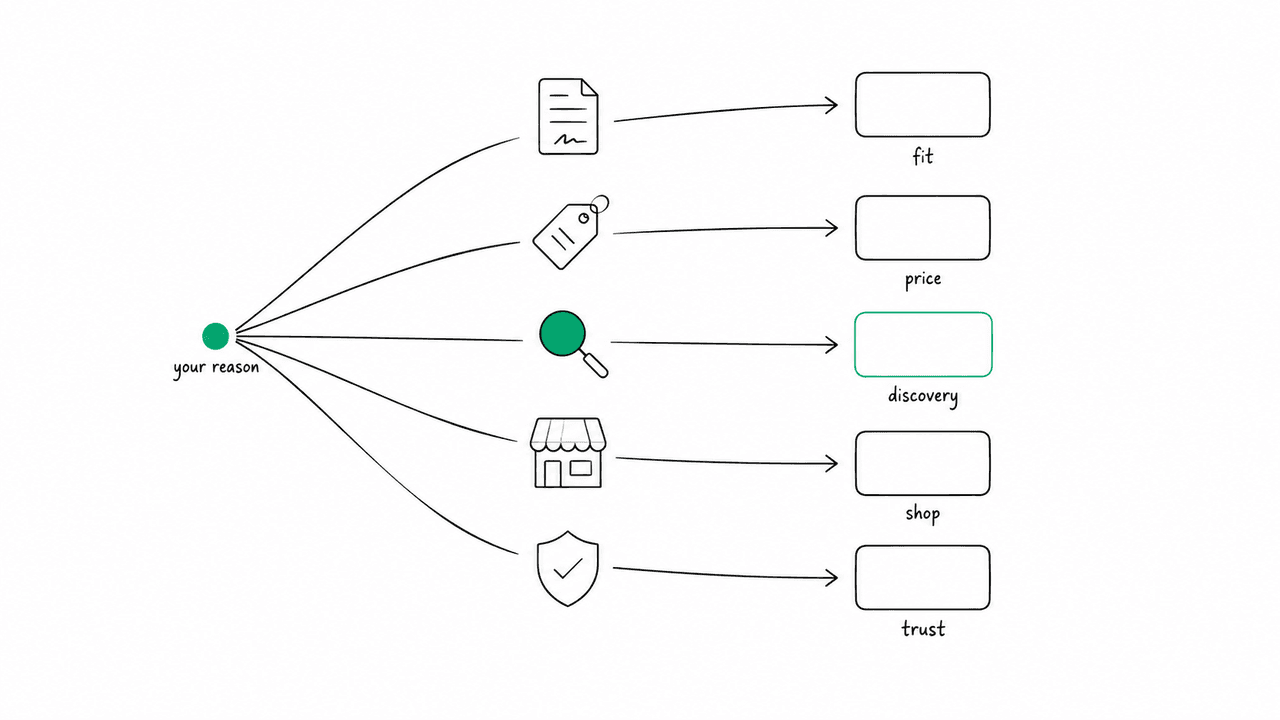
If your frustration is the contract and sales process
Most of the all-in-one suites in GRIN's class (Upfluence, CreatorIQ, Aspire) carry the same annual, demo-gated model. If you want to swipe a card and start this week, the self-serve options are Influship and Modash. Influship is the only one here that lets you run real searches against a live brief on a Free plan before paying anything.
If your frustration is price
The enterprise suites won't solve a budget-driven move — they sit at or above GRIN's level. Influship's self-serve plans (from ~$50/mo) and per-credit API are the clear step down in cost. Modash is mid-range but billed annually.
If your frustration is discovery quality
This is the most common reason to look past GRIN, since discovery is its weakest area. Influship is the only platform on this list built around natural language search — type the brief, skip the filter-tuning. If you want filter-based discovery with maximum database breadth instead, Modash is the self-serve pick.
If you want GRIN's shape from a different vendor
Upfluence and Aspire are the closest all-in-one ecommerce equivalents, and CreatorIQ is the enterprise tier above. Pick these if you genuinely use GRIN's full relationship-and- commerce stack and just want to compare vendors — not if the contract or cost is what drove you to look.
If your problem is audience fraud
HypeAuditor is the specialist. Bolt it onto whatever discovery or management tool you settle on rather than treating it as a full GRIN replacement.
Our Take
GRIN is a good product for the brand it was designed for: an established ecommerce company running an always-on creator program with a team and a budget to match. The reason people look elsewhere is rarely that GRIN is bad — it's that they don't fit its mold, or they've outgrown one part of it while overpaying for the rest.
Sort by your actual reason. If you're moving up — more brands, more markets — CreatorIQ is the enterprise tier. If you want the same all-in-one shape from a different vendor, Upfluence and Aspire are the like-for-likes. If your real bottleneck is finding the right creators, or you want self-serve pricing and API access without an annual deal, Influship is the closest fit and the only one you can evaluate without a sales call.
The best way to choose is to run your actual searches against real briefs. Book a demo or start free — no annual commitment required.
Sources and further reading
- GRIN — Pricing and product overview (verify current pricing and feature set on the vendor site).
- Influencer Marketing Hub — Influencer Marketing Platforms compared (independent platform overviews and category context).
- Influship — Influship vs GRIN comparison (the dedicated head-to-head breakdown).
- Influship — AI-powered influencer discovery (how natural language creator search works).