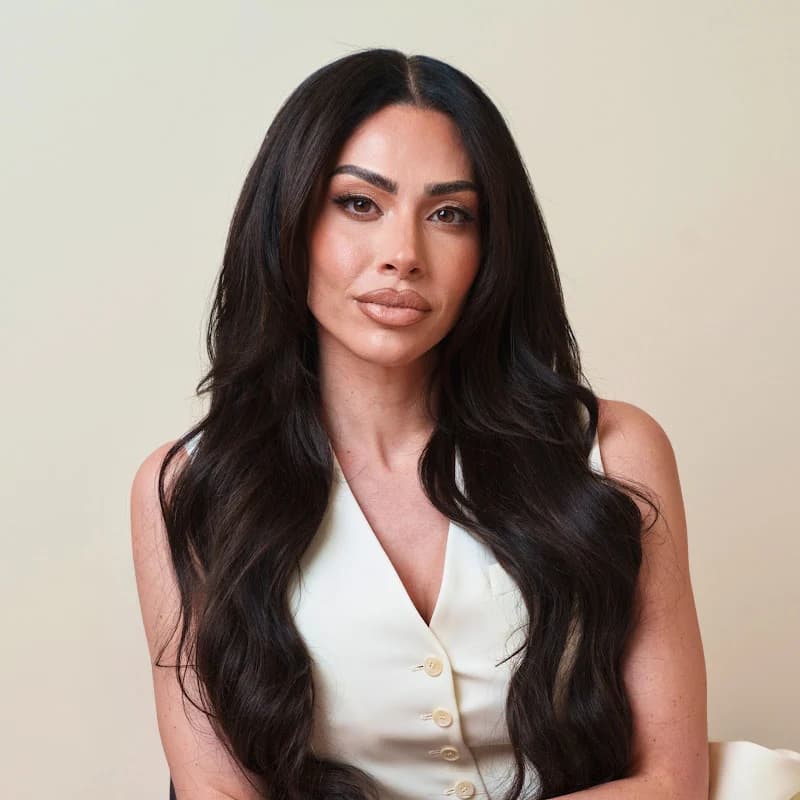


Founder creators.
Built from experience.

Bootstrappers, operators, and people turning an audience into a business. Twelve entrepreneurial voices with a clear point of view and something useful to teach.

Meet founders where the work happens.

The first customer and the first management team are different problems. We’ve grouped this edit by the work of building a business, so your campaign can meet founders at the stage where it matters.

Build something customers will pay for.

Small teams, real products, and the decisions that keep an independent business moving.

Rob Walling01
Bootstrapped SaaSMicroConf

Rob Walling

For the founder building a business they want to keep.

Rob Walling connects practical SaaS advice with MicroConf, TinySeed, and Startups for the Rest of Us. The SaaS Playbook adds a focused reference for founders working through the commercial realities of a software business.

That makes this a useful audience context for products serving small software teams. Pricing, customer acquisition, and the work of running the company offer more relevant campaign material than a broad message about entrepreneurship.

Our pick forSaaS toolsSmall software teamsFounder education

The campaign we’d make

Build a practical workshop around a SaaS pricing decision. Work through the customer segments, the packaging, and the operational setup, leaving attendees with a plan for their own product.


Explore Rob’s SaaS workMicroConf, books, and a long-running founder podcast.Find more like Rob Walling on Influship
Arvid Kahl02
Building in publicExplore the work

Arvid Kahl

The business story includes the awkward parts.

Arvid Kahl’s The Bootstrapped Founder connects lessons from building and selling FeedbackPanda with his subsequent work as a writer and founder. Books such as Zero to Sold and The Embedded Entrepreneur give that experience a practical structure.

The appeal for a brand is the specificity of an independent business. Customer research, support, and product decisions can all become useful content when they are explored through the work a founder actually has to do.

Our pick forCustomer researchBootstrapped toolsFounder communities

The campaign we’d make

Follow a small founder-led customer-research project from conversations to a product decision. Share the questions, the synthesis, and the changes made as a result.

Read The Bootstrapped FounderWriting about building sustainable independent businesses.Find more like Arvid Kahl on Influship
Pieter Levels03
Independent productslevelsio

Pieter Levels

Ship the useful thing and learn from what happens.

Pieter Levels documents an independent approach to building internet businesses, with projects including Nomad List, Remote OK, Photo AI, and Interior AI. His writing on launching projects gives the audience a direct connection between an idea and a working product.

For a developer or business tool, the strongest setting is something being made. A working integration or a launch experiment can show the product’s role clearly, especially when it reduces a practical obstacle for a very small team.

Our pick forDeveloper toolsIndependent foundersProduct launches

The campaign we’d make

Build and launch a tightly scoped utility around one customer problem. Document the implementation choices and what the first users actually ask for.

Explore Pieter’s projects and writingIndependent products and lessons from building them.Find more like Pieter Levels on Influship

Give the audience somewhere to go next.

Creators who connect publishing with products, customers, and a business of their own.

Nathan Barry04
Creator businesses & emailExplore the work

Nathan Barry

Turn the audience into a business with somewhere to grow.

Nathan Barry’s work connects his experience founding Kit with the systems behind creator businesses. His writing and conversations explore how products, email, and repeated customer relationships can support one another.

That is a useful context for a brand serving people who already publish and want to build something durable around it. The campaign should show the path from attention to a useful offer and a better customer experience.

Our pick forCreator toolsEmail workflowsDigital products

The campaign we’d make

Map a creator’s first product launch from the welcome email to delivery. Build the actual sequence and explain what each message helps the customer do.

Explore Nathan’s creator-business workWriting and conversations from the founder of Kit.Find more like Nathan Barry on Influship
Pat Flynn05
Audience trust & online businesspatflynn

Pat Flynn

Build something people come back for.

Pat Flynn’s Smart Passive Income work, books such as Will It Fly? and Superfans, and creator education connect business building with understanding an audience. The recurring question is how to make something useful enough that people want to keep a relationship with it.

For a platform or service brand, this creates space for a practical customer journey. A validation exercise, a community experience, or a useful first product gives the software a role that is easy to understand.

Our pick forCreator platformsCommunity toolsProduct validation

The campaign we’d make

Help a creator test a small educational product with an existing audience. Show the questions, the pilot experience, and the feedback that shapes the next version.

Explore Pat’s books and teachingAudience relationships and practical online-business education.Find more like Pat Flynn on Influship
Justin Welsh06
One-person businessesthejustinwelsh

Justin Welsh

Make the business fit the life around it.

Justin Welsh writes about building a small business around expertise, publishing, and personal freedom. His essays give a one-person business a distinct point of view, including the choices involved in staying deliberately small.

That suits products that make independent work more manageable. The interesting campaign shows a complete routine or customer workflow, with a clear explanation of what the founder chooses to automate, simplify, or keep personal.

Our pick forSolo business toolsPublishing workflowsDigital products

The campaign we’d make

Build a simple weekly operating routine for an independent expert. Connect publishing, customer follow-up, and delivery without turning the business into a complicated software project.

Read Justin’s essaysA perspective on independent work and one-person business.Find more like Justin Welsh on Influship

Find the offer people actually want.

Ideas become useful when someone tests them with a customer.

Noah Kagan07
Validation & first customersnoahkagan

Noah Kagan

Get the idea in front of a buyer.

Noah Kagan connects his AppSumo experience with direct, action-oriented business education. Million Dollar Weekend and his validation challenges focus attention on the uncomfortable early work: asking, testing, and finding a customer.

For a business tool, the best setting is a small experiment with a clear action. A landing page, payment flow, or customer conversation can become part of a story that ends with something learned rather than another list of ideas.

Our pick forLaunch toolsCustomer validationSmall business software

The campaign we’d make

Take one service idea through a weekend validation sprint. Build the offer, speak to prospective customers, and show what changed after those conversations.

Explore Million Dollar WeekendA practical starting point for testing a business idea.Find more like Noah Kagan on Influship
Greg Isenberg08
Startup ideas & communitiesGregIsenberg

Greg Isenberg

Find the business hiding in a specific group of people.

Greg Isenberg’s work connects startup ideas, communities, and the tools used to build products. Late Checkout and his writing give the ideas a business context, while his videos explore how an opportunity might become something usable.

That suits a product that helps founders move from an observation to a working example. A good brief should name the customer and the recurring problem before introducing the tool used to solve it.

Our pick forStartup toolsCommunity platformsAI builders

The campaign we’d make

Choose a small professional community and build a utility for one repeated task. Show the conversations that shaped it, then demonstrate the first usable version.

Explore Greg’s startup workIdeas, communities, and practical paths into building.Find more like Greg Isenberg on Influship
Alex Hormozi09
Offers & customer acquisitionAlexHormozi

Alex Hormozi

Make the offer easier to understand and harder to ignore.

Alex Hormozi’s books and Acquisition.com education focus on offers, leads, and the commercial mechanics of a business. The material gives founders a vocabulary for examining what they sell and why someone would choose it.

For a B2B brand, the useful campaign opportunity is a concrete business example. A sales or customer-acquisition tool should appear inside a defined process, with the offer and the buyer’s decision made clear.

Our pick forSales toolsBusiness educationCustomer acquisition

The campaign we’d make

Work through an anonymized service-business offer from first contact to proposal. Show the decisions and the supporting workflow, without turning the example into a promise of financial results.

Explore Alex’s business educationBooks and resources through Acquisition.com.Find more like Alex Hormozi on Influship

Make the business work beyond the founder.

People, systems, and the responsibilities that arrive when a company starts to grow.

Codie Sanchez10
Small-business ownershipExplore the work

Codie Sanchez

There’s a business behind the storefront.

Codie Sanchez’s Contrarian Thinking and BigDeal work bring attention to buying and operating established businesses. The subject matter moves beyond the startup launch into ownership, local operations, and the practical questions behind a company people already use.

That is a distinct audience for software and services that help operators. A useful campaign could follow a real operational process, making the product’s role clear without reducing business ownership to a financial slogan.

Our pick forSmall-business operationsOwner educationBusiness software

The campaign we’d make

Follow one local business through a workflow improvement, from customer inquiry to completed job. Show the handoffs and decisions that the new system makes easier to manage.

Explore Codie’s ownership perspectiveContent and education around established businesses.Find more like Codie Sanchez on Influship
Leila Hormozi11
Leadership & teamsleilahormozi

Leila Hormozi

The company grows. The founder’s job changes.

Leila Hormozi’s work focuses on the people and operating decisions inside a growing business. Her videos and Dear Leila format make room for questions about leadership, performance, and the difficult conversations that come with responsibility.

For a workplace or people product, that creates a more useful context than a generic productivity pitch. The story should show how a manager handles a real situation and what a good process helps them do.

Our pick forPeople toolsManagement educationTeam operations

The campaign we’d make

Create a practical guide to a new manager’s first recurring team meeting. Show the agenda, the preparation, and how decisions become clear responsibilities afterward.

Watch the management lessonThree things to examine before firing someone.Find more like Leila Hormozi on Influship
Dan Martell12
Delegation & founder timedanmartell

Dan Martell

Give the founder a way out of every task.

Dan Martell’s Buy Back Your Time gives his business education a clear organizing idea: the founder’s attention is a constraint worth addressing. His work connects delegation, systems, and the routines that let a company operate with less dependence on one person.

That is a natural setting for tools that make a handoff work. Documentation, scheduling, and team workflows become interesting when the audience can see which decisions move to someone else and which remain with the founder.

Our pick forTeam workflowsDelegation toolsFounder operations

The campaign we’d make

Take one recurring founder task and hand it off properly. Build the instructions, define the decisions, and follow the first cycle with the teammate responsible for it.

Explore Buy Back Your TimeA practical framework for the founder’s time and responsibilities.Find more like Dan Martell on Influship

Before you
write the brief.

Which entrepreneur influencers are best for a SaaS product?

Rob Walling and Arvid Kahl are strong references for bootstrapped software businesses. Pieter Levels brings an independent-builder perspective, while Dan Martell focuses on the founder’s time and operating systems. Match the product to the stage of company it serves.

Who reaches creators building a business?

Nathan Barry, Pat Flynn, and Justin Welsh publish different approaches to turning expertise and an audience into a business. Email, community, educational products, and customer relationships are useful starting points for a relevant brief.

How should a B2B brand work with founder creators?

Choose a real business task: validating an offer, setting up a customer workflow, or handing responsibility to a teammate. Show the product inside that task. Specific examples are more persuasive than general claims about entrepreneurial success.

Should we target first-time founders or established operators?

Start with the problem your product solves. Noah Kagan’s validation work suits the first-customer stage; Rob Walling’s SaaS education speaks to people running a software business. Leila Hormozi and Dan Martell offer stronger contexts for management, delegation, and team operations.

Your product.
The right people.

Tell Influship what you’re making.
Find the creators who give it a place in the conversation.

Find my creators Start free. Search in your own words.