Sewing creators.
From first stitch to final fitting.

Explore 12 sewing influencers for fabric, machines and notions, with standout work, practical brand fit and original campaign ideas for each.

Find the person who makes your material matter.

Some creators help someone thread a machine for the first time. Others solve the fit of a trouser or turn an imagined costume into clothing. We’ve chosen four different ways into sewing, with the work and the campaign opportunity explained for each.

Make the first garment feel possible.

Clear instruction and an appealing finished piece help beginners put a new machine or fabric to use.

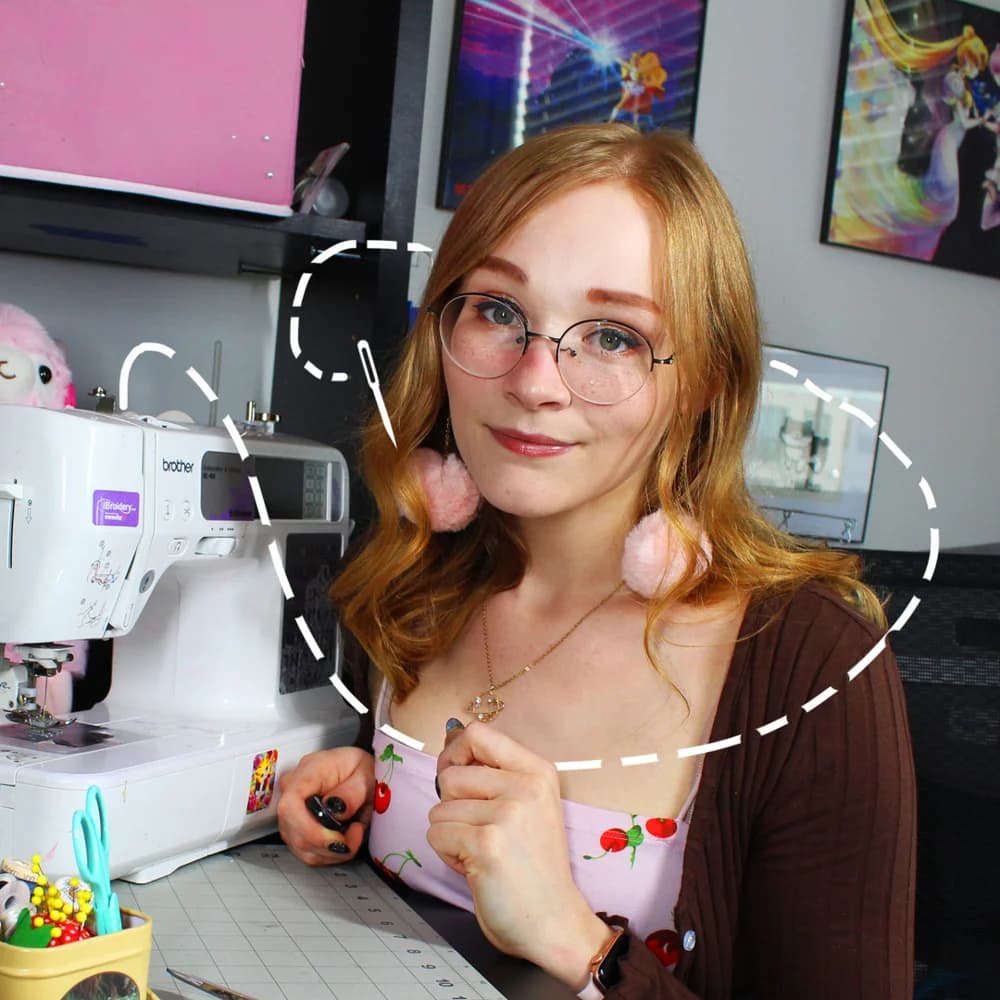
Mimi G01
Fashion sewing & structured learningmimigstyle

Mimi G

Turn “I could never make that” into a first outfit.

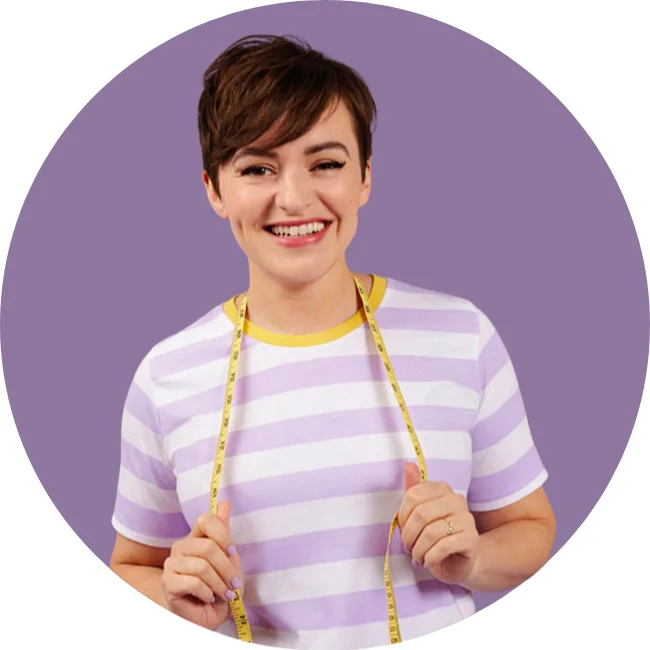
Mimi G connects fashion people want to wear with a structured way to learn how to make it. Sew It Academy’s beginner course moves from machine setup, stitches and fabric to measurements, patterns and four finished garments. The progression matters: the attractive outfit has a route behind it, including the small technical steps that an experienced sewer might forget to explain.

For a machine or fabric brand, that is an opportunity to support someone through a first successful project. Choose a garment that makes the product useful without requiring a complete studio or years of experience. Mimi also has her own pattern and education businesses, so a collaboration should complement that ecosystem. The strongest idea combines an appealing wardrobe result with teaching that makes the next project feel possible.

Our pick forSewing machinesFabric retailersBeginner supplies

The campaign we’d make

Make a first matching set with one fabric and a short equipment list. Release the preparation lesson first, then the sew-along and a final session on styling and small fit adjustments.
Explore Learn to Sew ClothesMachine basics lead into four wearable garment projects.Find more like Mimi G on Influship
Evelyn Wood02
Sewing foundations & refashioningevelyn__wood

Evelyn Wood

Explain the step the pattern leaves out.

Evelyn Wood’s teaching comes from dressmaking, vintage fashion and helping people learn to sew. Her Vintage Sewing School centers the skills behind making and altering clothes, including fitting and refashioning garments that already exist. That gives her work a different job from a stream of new-pattern reveals: it helps a sewer understand what to do when instructions assume knowledge they do not yet have.

A useful brand collaboration would remove a specific point of friction. Thread, needles, pressing tools and machine features all become more interesting when they solve a problem in the garment on the table. Keep the explanation concrete and show the result closely. A viewer who understands why a seam puckered or a finish looks untidy has a reason to remember the tool that helped correct it.

Our pick forSewing notionsPressing toolsMachine education

The campaign we’d make

Take a thrifted shirt through three small improvements: fit, seam finishing and pressing. Explain which tools matter at each stage and show the same areas before and after.

Explore Evelyn’s teaching approachFitting, alterations and refashioning as practical sewing skills.Find more like Evelyn Wood on Influship
Tilly Walnes · Tilly and the Buttons03
Beginner patterns & sew-alongstillybuttons

Tilly Walnes · Tilly and the Buttons

An inviting garment, with the instructions to match.

Tilly and the Buttons turns dressmaking into a sequence a learner can follow. Tilly Walnes’s books, patterns and workshops pair approachable garments with instruction, including a workshop devoted to sewing a button-front dress or blouse. A specific construction challenge becomes the next skill to learn, with a finished piece of clothing giving that lesson a purpose.

This is a founder-led pattern and education business, so think in terms of a collaboration that adds something to its existing teaching. Fabric, buttons and machines can all contribute to a project without competing with the pattern itself. A good brief shows how material choice changes the garment and helps viewers choose the version they will wear. The value sits in both the inspiration and the confidence to begin.

Our pick forFabric collectionsButtons & notionsSewing machines

The campaign we’d make

Make the same button-front garment in a crisp cotton and a softer draping fabric. Explain the handling differences and let the two finished versions show why fabric choice matters.

Explore the sewing workshopsGarment-specific lessons for the next step beyond beginner sewing.Find more like Tilly Walnes · Tilly and the Buttons on Influship

Help the clothes fit the person.

Patternmaking and fitting specialists give technical products a specific problem to solve.

Cornelius Quiring04
Pattern drafting & constructioncorneliusquiring

Cornelius Quiring

Show how a flat pattern becomes a better garment.

Cornelius Quiring’s teaching connects measurements, pattern shapes and construction. His shirt-dress course starts with drafting a bodice block. He also collaborated with Closet Core Patterns on a Western shirt. Even the free tailor’s ham pattern is a useful clue to his approach: the supporting tools of garment making deserve explanation alongside the clothes.

He is a strong fit for a brief that needs to make a technical decision understandable. Cutting tools, pressing equipment and suitable fabric can be shown at the point where they change the work. Keep the problem narrow enough to follow, then carry it through to the garment. He has his own cutting-tool range, so complementary products and clearly scoped collaborations are the sensible place to start.

Our pick forPatternmaking toolsPressing equipmentGarment fabrics

The campaign we’d make

Develop one shirt collar from paper pattern to finished garment. Compare the effect of interfacing and pressing, then provide a practice piece viewers can make before cutting their shirt.

See the Cornelius Western shirtA creator-and-pattern-company collaboration with a concrete finished design.Find more like Cornelius Quiring on Influship
Jenny Rushmore · Cashmerette05
Curvy fitting & size-inclusive sewingcashmerette

Jenny Rushmore · Cashmerette

Make the garment fit the person.

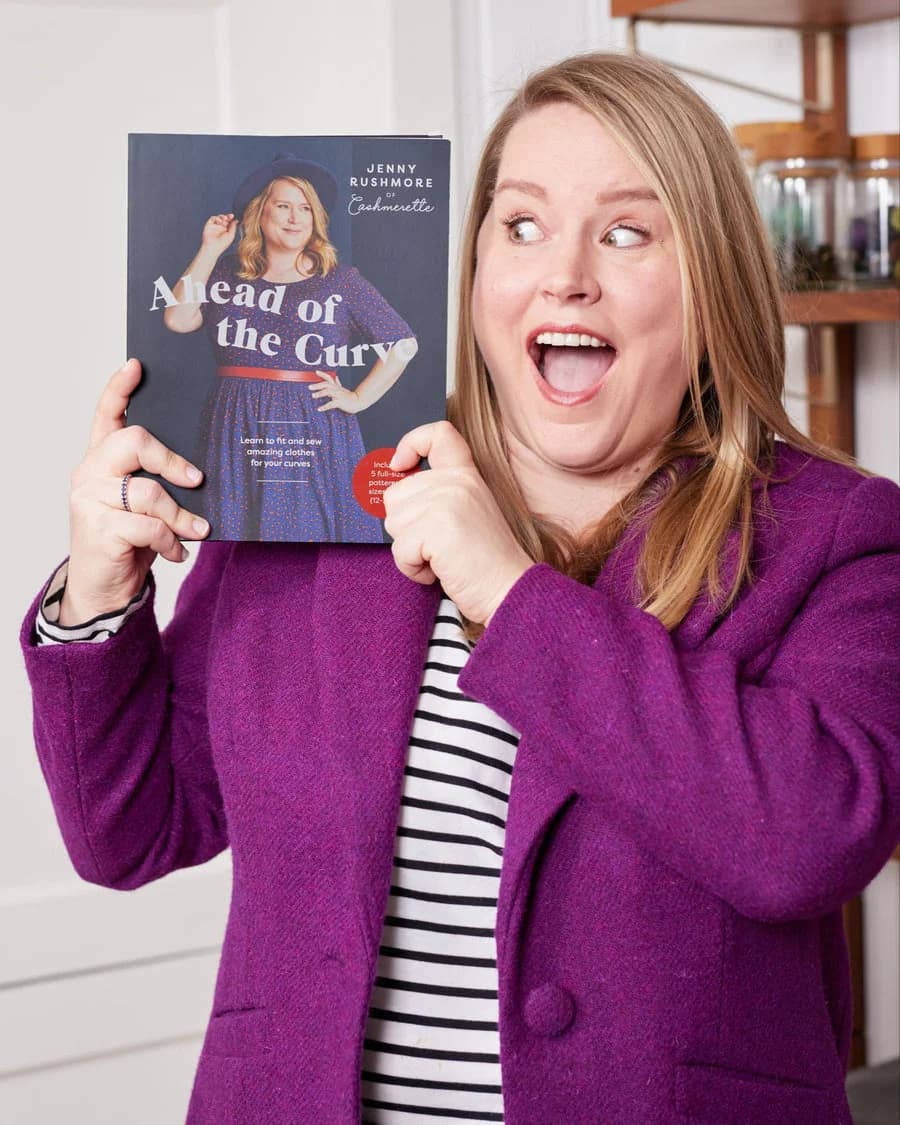
Jenny Rushmore founded Cashmerette around a problem that buying more fabric cannot solve: patterns that do not fit the wearer. The range includes cup-size options, while her Fitting University teaching explains how to diagnose and adjust fit. Her book Ahead of the Curve and the wider fitting resources give this work a clear center of gravity: helping people make clothes for their own bodies.

A brand belongs here when it supports that practical outcome. Dress forms, measuring tools and fabrics with suitable drape can be introduced through a fitting decision, with the wearer’s comfort and preferences guiding the result. Cashmerette is also a pattern business; complementary collaborations make more sense than treating its account as interchangeable fashion media. Build the campaign around a solvable fit problem and show the adjustment clearly.

Our pick forDress formsMeasuring & fitting toolsFabric retailers

The campaign we’d make

Follow one garment from the first toile to a comfortable final fit. Show how the fitting tools help identify each adjustment, with front, side and movement views of the result.

Explore Fitting UniversityA structured approach to understanding and changing garment fit.Find more like Jenny Rushmore · Cashmerette on Influship
Alexandra Morgan06
Professional fitting & pattern designinhousepatterns

Alexandra Morgan

Give an experienced sewer a better diagnosis.

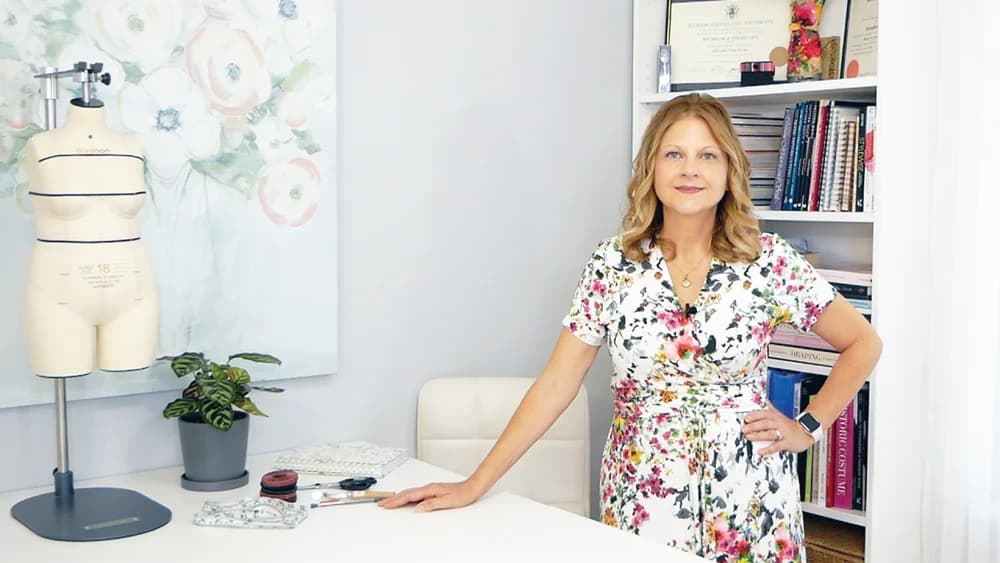
Alexandra Morgan’s In-House Patterns Studio speaks to garment makers who can already sew but want a more systematic approach to fit. Her Perfect Fit Guide introduces a six-step framework, and her teaching draws on a background in the fashion industry. The useful distinction is the emphasis on understanding why an adjustment works, rather than collecting unrelated fixes for each new garment.

This makes her particularly relevant to specialist tools and education. A measuring aid or patternmaking product should help the viewer understand the relationship between the body, the pattern and the fabric. Give the lesson enough room to show diagnosis and adjustment in sequence. The audience does not need another generic promise of professional results; it needs to see how a specific decision improves the garment being fitted.

Our pick forPatternmaking suppliesFitting toolsSpecialist education

The campaign we’d make

Work through one trouser-fitting problem from balance lines to the corrected pattern. Use the measuring and marking tools throughout, then compare the two toiles in the same standing position.

Explore the Perfect Fit GuideA fitting framework designed for experienced garment makers.Find more like Alexandra Morgan on Influship

Turn a fabric choice into a favorite outfit.

Fashion ideas, wearable patterns and thoughtful material choices connect inspiration with something a viewer can make.

Wendy Liu · WithWendy07
Fashion experiments & thrift flipswithwendy

Wendy Liu · WithWendy

Make the idea worth trying.

Wendy Liu takes a fashion idea and works out how to make it herself. Her blanket-coat projects are a good introduction: an existing textile becomes the starting point for a new garment. In her Love to Sew interview, she discusses the shift toward showing more of the reality of sewing, including the mistakes and adjustments that happen between an ambitious idea and something wearable.

That gives fabric, machines and creative tools room to participate in a story with an uncertain outcome. The strongest brief offers a material or constraint that Wendy can interpret, rather than prescribing every step. Let viewers follow the choices and revisions. For a brand, the useful moment is often the solution to a problem in the middle, before the finished outfit gives the experiment its payoff.

Our pick forCreative toolsFabric & haberdasheryReuse-led projects

The campaign we’d make

Turn one secondhand blanket into a coat designed around its existing pattern. Follow the layout choices, preserve a recognizable detail, and share what changed between the first fitting and the final garment.

Hear Wendy explain her processA firsthand conversation about designer-inspired sewing, thrift flips and mistakes.Find more like Wendy Liu · WithWendy on Influship
Kiana Bonollo08
Statement fashion & digital patternskianabonollo

Kiana Bonollo

A dress people can admire, then make.

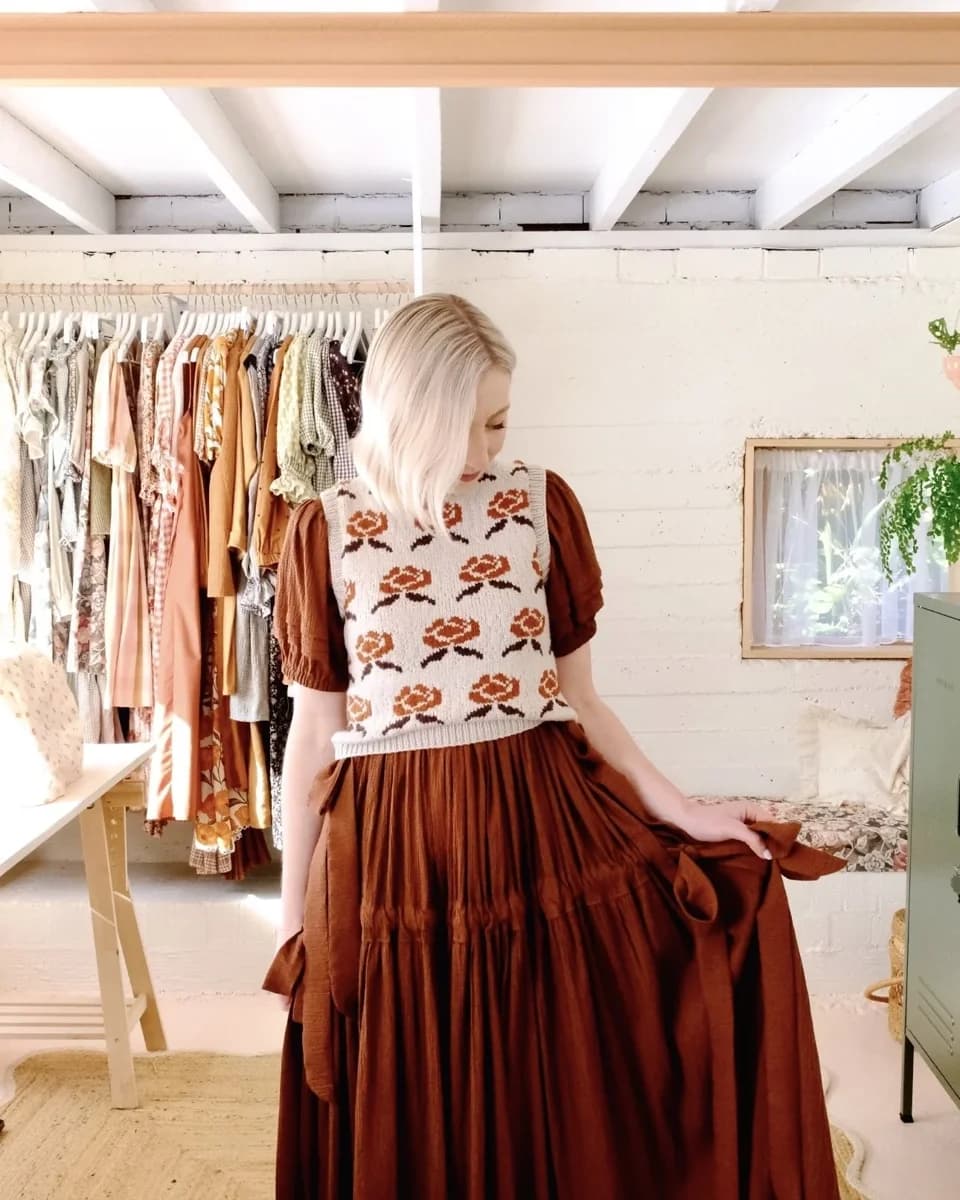
Kiana Bonollo connects formal fashion training with designs made for people to recreate. Her digital patterns and accompanying sewing videos give the finished outfit a practical second life. Her own portfolio describes a background in tailoring, and her work ranges into statement dresses and structured pieces where fabric choice, shaping and construction are part of the attraction.

She is a useful fit for brands that want the making and the finished look in the same campaign. A fabric, interfacing or machine can appear during a technically interesting stage, then return in the outfit reveal. Match the brief to a garment she would genuinely design, and give viewers a clear route into the pattern or technique. The product should help make a particular detail possible, not simply sit beside the sewing machine.

Our pick forOccasionwear fabricsSewing machinesInterfacing & notions

The campaign we’d make

Design a statement sleeve around one fabric collection. Test the volume in a toile, show the construction choice that holds the shape, and release the pattern alongside the finished look.

Explore Kiana’s designs and tutorialsA year of finished garments linked to patterns and sewing videos.Find more like Kiana Bonollo on Influship
Janelle · Rosery Apparel09
Everyday garments & fabric choicesroseryapparel

Janelle · Rosery Apparel

Help someone picture the fabric as clothing.

Rosery Apparel connects a handmade wardrobe with patterns viewers can follow. Janelle’s Clover skirt includes written and video instructions, two lengths and practical details such as side-seam pockets. Her online fabric-shopping video, sponsored by Yardblox, takes the story a step earlier: choosing the material before the project begins. That is a useful point of entry for a retailer whose products need more context than a flat swatch.

A strong collaboration would help people connect fabric weight, drape and pattern choice to something they want to wear. Give Janelle room to compare options, make the garment and show it in use. The product can be central without dominating the tone: it is the material someone needs to understand before committing their time to a project.

Our pick forFabric retailersEveryday sewingPattern-printing services

The campaign we’d make

Choose three fabrics for the same skirt and explain which version each would produce. Sew one, then show the finished drape, pockets and styling so viewers can make a more confident choice.

Go fabric shopping with JanelleA disclosed Yardblox collaboration built around a useful buying decision.Find more like Janelle · Rosery Apparel on Influship

Let the project take people somewhere.

Fashion history, cosplay and ambitious recreations give sewing a story beyond the everyday wardrobe.

Bernadette Banner10
Fashion history & hand sewingbernadettebanner

Bernadette Banner

Give the small stitches a bigger story.

Bernadette Banner explores fashion history through reconstruction and reinterpretation. Her work puts garment construction at the center of the story, and Make, Sew and Mend brings traditional techniques into caring for and changing the clothes people already own. The appeal extends beyond a finished costume: the materials, methods and choices explain how clothing is made and why those details matter.

She is a distinctive reference for natural fibers, hand-sewing tools and garment care. A compelling brief could begin with a construction detail or an object that needs repair, leaving room for historical context and close attention to the work. Choose products with a real role in the method. The opportunity is a useful explanation that makes viewers look differently at a familiar garment, as well as an attractive result.

Our pick forHand-sewing toolsNatural-fiber fabricsGarment care

The campaign we’d make

Restore a worn garment using a small set of hand-sewing techniques. Follow the choice of thread, the repair and the final finish, with a practical exercise viewers can try on their own clothes.

Explore Bernadette’s workFashion history, reconstruction and the techniques behind Make, Sew and Mend.Find more like Bernadette Banner on Influship
Sarah Spaceman11
Cosplay sewing & ambitious costumessarahspaceman

Sarah Spaceman

Make the impossible-looking costume understandable.

Sarah Spaceman makes elaborate cosplay a reason to learn sewing. Her Ranni costume from Elden Ring used cotton and linen, with upholstery interfacing and wire supporting the enormous hat. She designed the snowflake artwork for its underside and had it printed onto fabric. Those choices give a fantasy outfit a practical construction story: which material creates the shape, how to support it and where a custom print earns its place.

For specialty fabrics, embroidery supplies and sewing equipment, that creates room for a demanding application. Choose a detail that needs solving: a shaped silhouette, a decorative panel or a finish that has to move with the wearer. Follow it through trials, construction and fitting. The strongest campaign gives the finished costume its moment while preserving enough of the process for a maker to understand what the product contributed.

Our pick forCosplay fabricsEmbroidery suppliesSewing equipment

The campaign we’d make

Create an original costume around one embroidered panel. Follow stabilizer tests, fabric handling and garment assembly, then release the panel pattern with a simpler version for viewers to try.

Explore Sarah’s sewing resourcesA cosplay-led teaching practice with freely available pattern downloads.Find more like Sarah Spaceman on Influship
Micarah Tewers12
Costume recreations & entertainmentmicarahtewers

Micarah Tewers

Give the reveal an outrageous starting point.

Micarah Tewers turns sewing into an entertainment premise. Making an Angel Barbie dress and wings is a good example of the scale of the idea: a recognizable miniature look becomes a full-size outfit. The project is immediately understandable even to someone who has never followed a sewing pattern, which gives the making a different role from a conventional technical lesson.

For a brand, the opportunity is an ambitious transformation with a material contribution that viewers can follow. Craft supplies, decorative fabric and a distinctive prop can become part of the challenge. Keep the brief flexible enough for her personality and the detours of making. Choose this format when the finished creation and the journey are the attraction; a tightly scripted feature demonstration would leave little room for what makes the premise fun.

Our pick forCraft materialsCostume fabricsEntertainment-led launches

The campaign we’d make

Give an ordinary household object a red-carpet alter ego. Let its colors and shapes dictate an original outfit, then reveal the two side by side with the construction story behind them.

See the Angel Barbie dress projectA recognizable doll-scale idea becomes a full costume and wings.Find more like Micarah Tewers on Influship

Before you
write the brief.

Which sewing influencers are a good fit for fabric brands?

Rosery Apparel connects fabric shopping with wearable projects, WithWendy brings experiments and thrift transformations, and Kiana Bonollo combines statement designs with patterns viewers can make. For historical construction or costume fabrics, consider Bernadette Banner and Sarah Spaceman. Start with the way the material behaves, then choose the creator who can make that behavior interesting.

Who is best for a beginner sewing machine campaign?

Mimi G, Evelyn Wood and Tilly and the Buttons are useful starting points for structured instruction. Match the brief to a first garment or a specific hurdle such as threading, seam finishing or buttonholes. Show the machine helping someone complete the work, with the setup explained clearly.

How do fitting specialists differ from fashion sewing creators?

Jenny Rushmore and Alexandra Morgan focus on diagnosing and adjusting garment fit; Cornelius Quiring connects pattern drafting with construction. Their work suits a brief where the explanation is central. Fashion-led creators such as Kiana Bonollo and WithWendy give more space to the design idea and the finished outfit. Both can serve a fabric brand, but they answer different viewer questions.

Can we collaborate with a creator who owns a pattern brand?

A complementary collaboration can work well. Cashmerette, Tilly and the Buttons, Rosery Apparel and Mimi G have their own products or education businesses. Fabric, machines, notions and tools can add to those projects. Check category conflicts and agree on the project, pattern access and deliverables before production.

What should a sewing creator brief include?

Specify the material or feature, the garment or skill, the intended sewing level and the time available for fitting and revisions. Include enough fabric for testing. Agree on the role of patterns and instructions, and make sure viewers can find the supplies needed to try the project.

Your product.
The right people.

Tell Influship what you’re making.
Find the creators who give it a place in the conversation.

Find my creators Start free. Search in your own words.