A handshake over DMs is how most micro-influencer deals start, and how a surprising number of them go sideways. The creator thought the $300 covered one post; you thought it covered a post, a story, and the right to run it as an ad for a year. Nobody wrote it down, so nobody is wrong, which means you both are. A short written contract fixes this before it happens. It isn't about distrust, it's about making sure two people who agreed in spirit actually agreed on the same thing.
Micro-influencer deals need their own template, not a watered-down version of a celebrity endorsement agreement. The deal sizes are small, the creators usually don't have agents or lawyers, and a 14-page legal document will scare off exactly the kind of approachable creator you want. What you need is a one-page agreement a busy person can read in three minutes and sign without calling anyone. That's what this is: a free, copy-paste micro-influencer contract template with a plain-English explanation of every clause, plus notes on where to adapt it for gifting versus paid deals.
This is one of several documents in our influencer marketing templates library. If you want the strategy behind the paperwork, our guide on how to write an influencer contract covers negotiation and edge cases. This page is the template itself.
How to use this template
Copy the block below into a document, fill in the bracketed fields, delete the clauses you don't need, and send it. For a gifting-only deal, swap the compensation clause for the gifting version noted underneath it and keep everything else. For a paid deal, keep the compensation and payment-terms clauses as written. Either way, read the clause-by-clause explanations after the template so you understand what each line is doing and where you can push or give. One short note before the legal-shaped text: this is a starting point, not legal advice, and we'll repeat that at the end because it matters.
The micro-influencer contract template
INFLUENCER COLLABORATION AGREEMENT
This Agreement is made on [DATE] between [BRAND LEGAL NAME], located at [BRAND ADDRESS] ("Brand"), and [CREATOR LEGAL NAME], located at [CREATOR ADDRESS / EMAIL] ("Creator"). The Brand and Creator may each be referred to as a "Party" and together as the "Parties."
1. Scope & Deliverables. The Creator agrees to produce and publish the following content on the Creator's own accounts:
• [NUMBER] in-feed [INSTAGRAM / TIKTOK] post(s) featuring [PRODUCT / CAMPAIGN]
• [NUMBER] Story frame(s) with a [SWIPE-UP LINK / PRODUCT TAG]
• [NUMBER] short-form video(s) ([REELS / TIKTOK]) of at least [DURATION]
Content must align with the brief supplied by the Brand and must remain published for a minimum of [NUMBER] days.
2. Timeline. The Creator will deliver draft content for approval by [DRAFT DATE] and publish approved content no later than [PUBLISH DATE]. If product is being shipped, the Brand will dispatch it by [SHIP DATE].
3. Compensation. In exchange for the deliverables above, the Brand will pay the Creator a flat fee of [$AMOUNT], plus [DESCRIBE ANY PRODUCT / GIFTING PROVIDED]. No additional fees are owed unless agreed in writing.
(Gifting-only version: "In exchange for the deliverables above, the Brand will provide the Creator with [PRODUCT(S), retail value $AMOUNT] at no cost. No monetary fee is owed by either Party.")
4. Payment Terms. The Brand will pay [50% on signing / 100% within NUMBER days of content going live] via [PAYMENT METHOD]. Invoices, if required, are due within [NUMBER] days of receipt. (Omit this clause for gifting-only deals.)
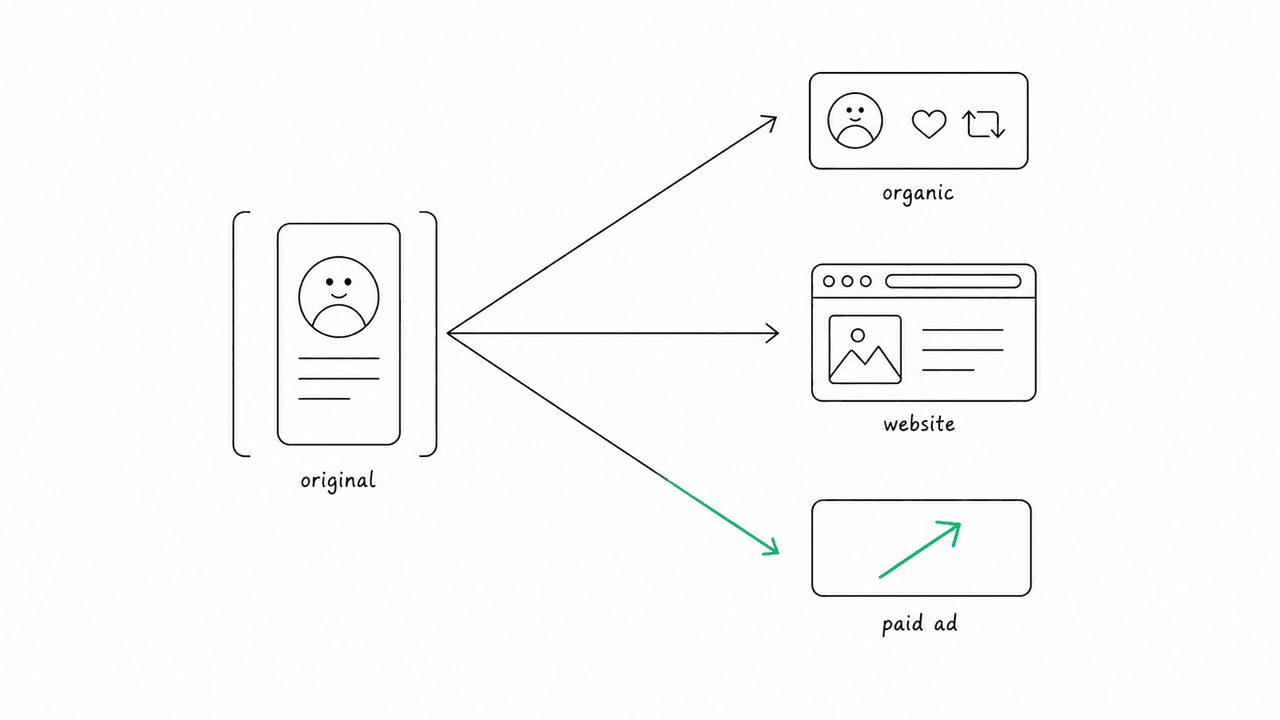
5. Usage Rights & License. The Creator retains ownership of the content. The Creator grants the Brand a [NON-EXCLUSIVE / EXCLUSIVE], [worldwide] license to repost and reuse the content on the Brand's owned channels (website, social accounts, email) for [NUMBER MONTHS / IN PERPETUITY] at no additional cost. Paid amplification (running the content as ads on Meta, TikTok, or other platforms) [IS / IS NOT] included; if included, the paid-usage term is [NUMBER MONTHS]. Any use beyond this scope requires a separate written agreement and additional fee.
6. Exclusivity. For [NUMBER] days from the publish date, the Creator agrees not to create sponsored content for a directly competing brand in the [CATEGORY] category. This Agreement is otherwise non-exclusive and the Creator is free to work with any non-competing brand. (Set to "None" if no exclusivity is required.)
7. FTC Disclosure & Compliance. The Creator will clearly and conspicuously disclose this paid or gifted partnership in all content, using #ad or the platform's built-in paid-partnership label, placed where it is easily noticed (not buried in hashtags or behind a "more" link). The Creator will only make claims that are truthful and reflect the Creator's genuine experience, and will follow the FTC Endorsement Guides at all times.
8. Approval Process. The Brand has [NUMBER] business days to review and approve or request changes to draft content. The Brand may request up to [NUMBER] rounds of reasonable revisions. The Brand may not unreasonably withhold approval or rewrite the Creator's authentic voice; final published content must still read as the Creator's own.
9. Content Standards. Content will be original, will not infringe any third party's rights, and will not contain unlawful, defamatory, or misleading material. The Creator confirms any music, footage, or assets used are properly licensed or cleared.
10. Termination. Either Party may terminate this Agreement in writing if the other materially breaches it and fails to cure within [NUMBER] days of notice. If the Brand terminates without cause before publication, the Creator is entitled to [50% of the fee / a kill fee of $AMOUNT] for work completed.
11. Confidentiality. Both Parties will keep non-public information shared for this collaboration (campaign plans, rates, unreleased products) confidential.
12. Independent Contractor. The Creator is an independent contractor, not an employee, and is responsible for their own taxes.
13. Governing Law. This Agreement is governed by the laws of [STATE / COUNTRY].
Signatures.
Brand: ______________________ Date: __________
Creator: ____________________ Date: __________
Clause-by-clause: what each part actually does
Below is the plain-English version of every clause, with the parts micro-influencer deals get wrong most often. Read these before you delete anything, the clause that looks skippable is usually the one that saves the deal.
Parties
Name the real legal entities, not Instagram handles. "@glowwithtara" isn't a party that can be held to anything; Tara's legal name (or her business name, if she has one) is. For the brand, use the registered company name. This is the difference between an agreement you could enforce and a screenshot.
Scope & deliverables
This is the clause that prevents the most arguments, so be specific. "Post about our product" is not a deliverable. "One in-feed Instagram Reel of at least 20 seconds, plus two Story frames with a product tag" is. Spell out the platform, the format, the count, and the minimum live duration. The minimum-live-duration line stops a creator from quietly deleting the post a week later, which happens more than you'd expect. For how the brief and the deliverables fit together, see our templates hub, which links the UGC brief that pairs with this contract.
Timeline
Dates, not vibes. A draft date, a publish date, and a ship date if product is involved. Without a publish date, "soon" becomes "after my vacation," and your launch-week content lands in week four. Tie the timeline to anything time-sensitive on your side (a sale, a product drop) so the creator understands why the date is firm.
Compensation
State the fee as a flat number and list any product separately so its value is documented (it matters for the creator's taxes and for FTC purposes, since gifted product is compensation too). The single most important word here is "flat": it closes the door on scope creep where a creator adds an extra deliverable and then expects more money, or where you ask for "just one more story" and create an unpriced obligation. For gifting-only deals, swap in the gifting version of the clause so it's clear no cash is changing hands but a real exchange of value still occurred.
Payment terms
When, how much, and through what method. For micro deals, a 50% deposit on signing and 50% on publication is common and fair, it protects the creator from doing the work for nothing and protects you from paying for content that never appears. State the payment rail (PayPal, bank transfer, a creator-payments platform) and the net terms on any invoice. Slow, vague payment is the fastest way to lose a creator who would otherwise have worked with you again.
Usage rights & license
This is the clause brands underestimate and creators care about most. By default the creator owns the content they make. What you're buying with the base fee is a license to use it, and you need to define that license precisely: where you can use it (just their feed? your channels too?), for how long, and critically, whether you can run it as paid ads. Paid amplification is a separate, more valuable right than organic reposting, and creators increasingly price it separately. If you intend to run the content as an ad, say so here and agree the term; sneaking it in later is both a relationship-ender and, potentially, a rights violation. Get this right and the same post can power your ad account for months.
Exclusivity
Exclusivity asks the creator not to promote competitors for a window, which has real value to you and a real cost to them, so it should be scoped tightly. Define the competing category narrowly (your direct competitors, not "all skincare") and keep the window short, 30 to 90 days is typical for micro deals. Broad, long exclusivity for a small fee is the kind of term that makes good creators decline. If you don't need it, set it to none and save the goodwill.
FTC disclosure & compliance
This clause isn't optional and it isn't just protecting the creator, it's protecting you. Under the FTC's Endorsement Guides, the brand is responsible for ensuring its endorsers disclose, and that obligation applies to gifted product, not just paid deals. Requiring clear, conspicuous disclosure in writing means that if a creator buries an #ad in a wall of hashtags, you have grounds to ask them to fix it and a record that you required compliance. Our full breakdown of the rules lives in the FTC influencer marketing guidelines guide.
Approval process
Define the review loop so it doesn't become a bottleneck or a battlefield. Give yourself a set number of business days to review and a capped number of revision rounds. The important balancing line is the one protecting the creator's voice: micro-influencer content works precisely because it sounds like the creator, not the brand. If your approval process sandpapers every post into corporate copy, you've paid for authenticity and then deleted it. Approve for accuracy and compliance; resist rewriting the personality.
Content standards
A short clause confirming the content is original, doesn't infringe anyone's rights, and uses properly cleared music and assets. The music line matters more than it looks: unlicensed audio is one of the most common reasons creator content can't be repurposed as an ad, so flagging it here saves you discovering it later.
Termination
How either side exits cleanly. The standard structure is a cure period: if one party breaches, the other gives written notice and a few days to fix it before terminating. The kill-fee line handles the awkward case where you cancel before publication, the creator may have already done the work, and a partial fee keeps the parting amicable. Burning a micro-creator on the way out is how you end up in their group chats for the wrong reasons.
Confidentiality, contractor status, and governing law
The housekeeping trio. Confidentiality keeps unreleased products and your rate card private. The independent-contractor line makes clear the creator isn't an employee and handles their own taxes. Governing law names which jurisdiction's rules apply if there's ever a dispute, which mostly matters when the creator and brand are in different places. None of these are negotiated often; all of them are worth having.
Gifting vs. paid: which clauses change
The same template covers both deal types with two swaps. For a gifting-only deal, replace the compensation clause with the gifting version (product as the consideration, no cash) and delete the payment-terms clause entirely, there's nothing to pay. Keep everything else, especially the FTC clause, because gifted product still requires disclosure. For a paid deal, keep compensation and payment terms as written. In both cases, the usage-rights clause is where the real value sits, so don't treat a gifting deal as license to use the content however you like; if you want paid-ad rights to gifted content, that's often worth a fee even when the post itself was "free."
Before you send the contract: vet the creator
A contract is the last step, not the first. It protects a deal with the right creator; it can't rescue a deal with the wrong one. Before you send paperwork to anyone, confirm their audience is real and on-target, fake followers and bought engagement are still rampant in the micro tier precisely because the numbers are small enough to fake cheaply. Our influencer vetting overview covers what to check, and if you'd rather not do it by hand, Influship's creator discovery surfaces the audience-quality and engagement signals alongside each creator so you sign contracts with people worth contracting. Teams running this at volume can see how the math works on our pricing page.
A note on legal advice
This template is a practical starting point built from common-sense terms and public FTC guidance, not legal advice, and we are not your lawyers. Contract law varies by state and country, deal sizes and risk profiles differ, and a template can't know the specifics of your situation. For high-value deals, anything involving exclusivity that meaningfully restricts a creator, or any arrangement you're unsure about, have a qualified attorney in your jurisdiction review the final agreement. Use this to get 90% of the way there fast, then get the last 10% checked when the stakes warrant it.
Micro-influencer contract FAQ
Do I really need a contract for a small gifting deal?
For a single gifted product with no posting obligation, a clear email confirming expectations and disclosure requirements is often enough. But the moment money changes hands, or you expect specific deliverables, or you want to reuse the content, put it in writing. A one-page agreement takes minutes and prevents the "I thought you meant" arguments that sour otherwise good relationships. The gifting version of this template exists precisely so the lightweight deals get the same protection without feeling heavy.
What's the most commonly forgotten clause?
Usage rights, by a wide margin. Brands routinely pay for a post, then assume they can run it as a Meta ad or feature it on their homepage forever, neither of which is automatically included. The creator owns the content unless the contract grants you a license. Define where, how long, and whether paid amplification is included, and you avoid the single most common and most expensive dispute in influencer marketing.
Who owns the content the creator makes?
By default, the creator does, copyright sits with the person who created the work. Your fee buys a license to use it under the terms you negotiate, not ownership. If you genuinely need to own the content outright (a full buyout or work-for-hire arrangement), that's a different, more expensive deal and should be stated explicitly. For most micro-influencer campaigns, a well-defined license is all you need and far more affordable.
Can I run the content as a paid ad?
Only if the contract says you can. Organic reposting and paid amplification are separate rights, and the paid right is the more valuable one. Spell out in the usage-rights clause whether paid ads are included and for how long. If you decide later that you want to boost a post that performed well, go back to the creator and agree a paid-usage add-on, don't just run it. Many creators are happy to license it; the ones who aren't will be far more upset to discover it after the fact.
How long should the exclusivity period be?
For micro deals, 30 to 90 days from publication is a reasonable range, scoped to direct competitors only. Longer or broader exclusivity has real cost to a creator who relies on multiple brand deals to make a living, so it should come with a higher fee. If exclusivity isn't important to your campaign, dropping it entirely is an easy way to make your offer more attractive and your negotiation shorter.
Sources and further reading
- Federal Trade Commission — Disclosures 101 for Social Media Influencers (how and where endorsements must be disclosed, including gifted product).
- Federal Trade Commission — The FTC's Endorsement Guides: What People Are Asking (brand responsibility for endorser disclosures and truthful claims).
- Influship — How to Write an Influencer Contract (negotiation, edge cases, and the strategy behind each clause).
- Influship — Influencer Marketing Templates (the full library: outreach emails, UGC brief, vetting checklist, budget planner).