Beauty is the category that built influencer marketing. Before the term existed, makeup artists were swatching foundations on camera and skincare obsessives were filming nightly routines. That head start shows: beauty consistently ranks as the most influencer-driven vertical, with Influencer Marketing Hub reporting that fashion and beauty remain the dominant industries for creator collaborations year after year. If you sell skincare, makeup, haircare, or fragrance, the question isn't whether to run influencer campaigns. It's how to run them well enough to beat the dozen other brands gifting the same micro-creator this week.
Most beauty influencer advice online is thin. It tells you to "find creators in your niche" and "look for high engagement," then pitches you an agency retainer. This guide does the opposite. It's written for the brand side, by people who build the tooling brands use to find creators, and it covers the parts that actually move sales: which creator types convert, how to find and vet them, how to structure gifting versus paid, how to stay FTC-compliant when you're selling things people put on their faces, and which metrics tell you whether any of it worked.
A note on scope. Beauty creators are not interchangeable. A dermfluencer with a chemistry background sells serums differently than a 19-year-old MUA doing GRWM transitions on TikTok. Matching the creator type to the product and the campaign goal is most of the job. We'll spend the bulk of this playbook on that match, because getting it right is the difference between earned media that converts and a feed full of polite, ignored gifting posts.
Why beauty is the number one category for influencer marketing
Beauty discovery happens on social feeds now, not in store aisles or magazine spreads. The formats are native to creators: the get-ready-with-me, the 12-step skincare routine, the "shelfie" product flatlay, the foundation shade match, the before-and-after. None of these translate well to a brand-produced ad. All of them are what beauty creators make every day for free.
The commerce layer caught up. TikTok Shop turned beauty into one of its highest-grossing categories, with cosmetics and skincare routinely topping its best-seller charts, and creator-driven affiliate links doing the selling. LTK (formerly LiketoKnow.it) built a business on beauty and fashion creators monetizing exactly the routine-and-shelfie content their audiences already wanted. The buying journey now runs from a creator's routine video to a tagged product to a checkout, often without the shopper ever visiting your site. For the broader numbers behind creator-driven purchasing, see our influencer marketing statistics roundup.
That's also why the sibling search term "beauty influencers" gets so much more volume than the brand-side terms. People want to find them, follow them, and become them. Before you go looking, get the tiers straight, because the tier you pick changes your budget, your reach, and your conversion math.
Beauty influencer tiers, defined
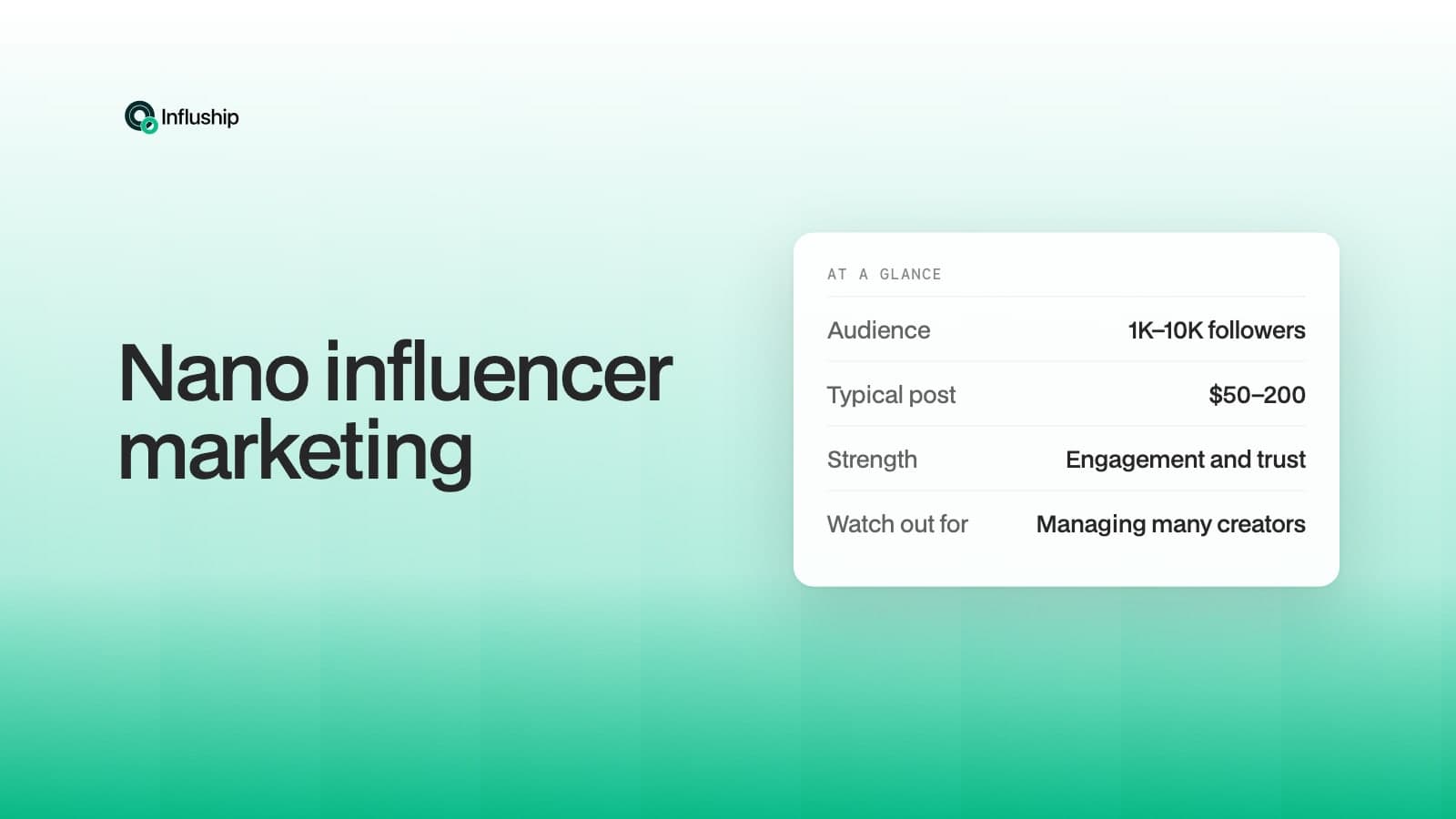
- Nano (1K–10K followers): The neighbor who actually uses your cleanser. Highest trust, highest engagement, lowest reach. Best for gifting programs and ambassador rosters at scale.
- Micro (10K–100K): The beauty workhorse tier. Real niche authority (a specific skin type, a fragrance obsession, textured-hair expertise) with enough reach to move product. Most beauty programs should be built here.
- Macro (100K–1M): Established MUAs and skincare personalities. Polished content, broad reach, higher fees, lower engagement rate. Good for launches and awareness.
- Mega / celebrity (1M+): Reach plays and cultural moments. Expensive, rarely the most efficient spend, occasionally the only thing that lands a launch.
Types of beauty creators (and which to use)
"Beauty" is a stack of sub-niches, and audiences don't cross over as much as you'd hope. A skincare audience that trusts ingredient breakdowns will not respond to a glam transformation reel the same way a makeup audience does. Map your product to the sub-niche before you map it to a tier.
Skincare creators and "dermfluencers"
Skincare buyers want proof and ingredients. Dermfluencers (dermatologists, estheticians, and chemistry-literate creators) carry outsized authority because they explain the "why." They're the right call for actives, treatment products, and anything making a functional claim, precisely because they know where the claim line is. The tradeoff: they vet brands hard and won't post things they can't stand behind. That's a feature.
Makeup artists (MUAs) and glam creators
MUAs sell color, texture, and payoff through application. They're ideal for foundation, complexion, eye, and lip products where the demo is the sell. Watch for shade-range honesty: a foundation campaign that only features one skin tone reads as a miss to the audience and the algorithm both.
Haircare and texture specialists
Haircare splits sharply by hair type. Curly, coily, and textured-hair creators built engaged, underserved communities, and a generic "haircare creator" won't carry a product designed for type 4 hair. Match the creator's hair type and concern (frizz, breakage, scalp, color-treated) to the product.
Fragrance creators
Fragrance is the hardest category to sell on a screen, which is why it became one of TikTok's breakout beauty niches. "Perfume tok" creators sell scent through story, occasion, and comparison ("smells like" dupes, layering combos). It's a format play more than an ingredient play.
Nail, clean / indie, and founder-adjacent creators
Nail creators drive a tight, high-intent niche for polish, press-ons, and tools. Clean and indie beauty creators reward small brands with a values story but punish greenwashing. Keep these in your mix when the product has a specific community to serve.
Nano and micro win on trust and CAC for beauty
For most beauty brands, the efficient money is in nano and micro creators, not macro. Smaller beauty creators post about products they genuinely use, their recommendations read as peer advice rather than ads, and the cost per acquired customer is dramatically lower because you're buying many cheap, high-converting posts instead of one expensive one. We make the full case in our guide to nano influencer marketing, and the tier tradeoffs in macro vs. micro influencers. The short version for beauty: build the base of your program on micro creators, use nanos for gifting and ambassador scale, and reserve macro spend for launches that need reach.
How to find beauty influencers that actually convert
There are two ways to find beauty creators: by hand and with software. Do enough of the first to understand your category, then move to the second so you can scale without losing your weekends.
Manual discovery methods
- Hashtag and keyword mining: Search #skincareroutine, #makeuptutorial, #skintok, and product-category terms. Browse "Recent" over "Top" to surface smaller, actively-posting creators.
- TikTok Shop creator lists: Creators already running beauty affiliate links have proven they'll post product and drive checkouts. Start there.
- Competitor tagged posts: Open a rival brand's tagged photos and mentions. The creators posting about them unprompted are your warmest leads.
- Your own customers: Cross-reference your customer list against social profiles. A customer who already loves the product is your highest-converting creator.
Vetting: the part most brands skip
Reach is worthless if it's fake. Before you ship product or pay anyone, check three things. First, the audience is real: a creep upward in follower count with flat engagement, generic comments, and bot-heavy followers is a red flag. Our guide on how to detect fake followers walks through the tells. Second, the real audience size, not the headline number: engaged reach matters more than total followers. Third, and beauty-specific, the audience demographic and skin-tone match. A foundation brand needs to know the creator's audience actually includes the shade range you sell; a Gen-Z skincare line needs a Gen-Z audience, not the creator's own age.
Semantic search beats follower filters
Filtering a database by "beauty" and a follower range returns thousands of irrelevant accounts. The faster route is describing the creator you actually want in plain language. With Influship's influencer discovery, you can search something like "skincare creators with an engaged Gen-Z audience under 50K followers who post ingredient breakdowns" and get matches that fit the intent, not just the keyword. It reads content themes, audience signals, and tone, then ranks creators by how well they match what you described, with the vetting data (real audience, engagement, fake follower signals) attached so you don't shortlist someone you'll regret.
Campaign types for beauty brands
Pick the campaign type that matches the goal. Gifting builds awareness and tests creators cheaply. Paid buys control. Affiliate ties spend to sales. Ambassadors build long-term equity. Most mature beauty programs run several at once.
Product gifting and PR boxes
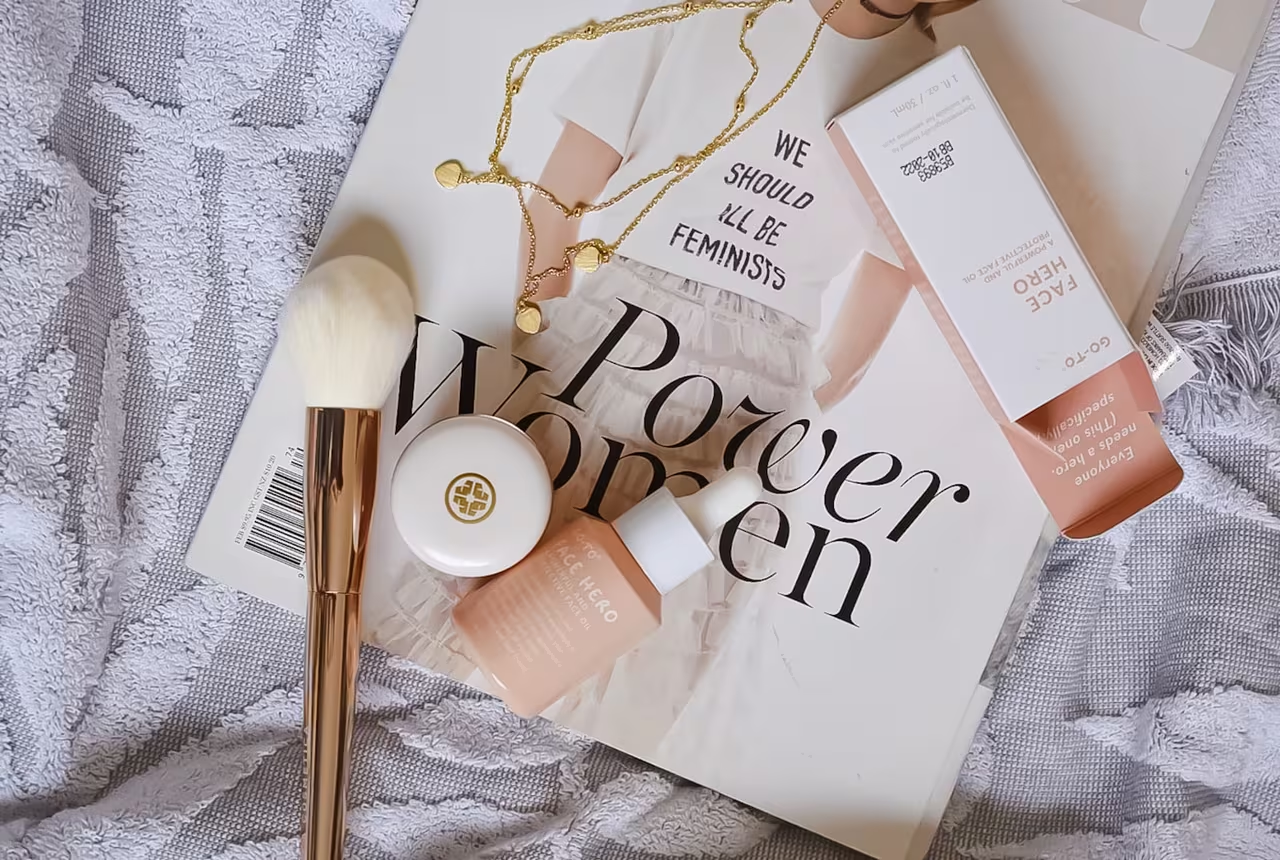
Gifting is the beauty default for a reason: a well-made PR box generates unboxing content, first-impression reactions, and routine integrations without a posting obligation. The discipline is in targeting (gift creators whose audience matches, not whoever has a big number) and follow-through. Use our influencer product gifting email templates for outreach that gets boxes opened and posted rather than shelved.
Paid posts and UGC
When you need guaranteed posting dates, specific messaging, or content you can run as ads, pay for it. Paid beauty UGC frequently outperforms studio-produced creative in Meta and TikTok ads because it looks native. Negotiate usage rights up front so you can repurpose the best-performing posts as paid creative.
Affiliate, LTK, and TikTok Shop
Affiliate is where beauty influencer spend connects directly to revenue. Give creators trackable links or codes through TikTok Shop, LTK, or your own affiliate program, and you pay for outcomes instead of hope. This is the highest-accountability channel and the easiest to scale once you find creators who convert.
Brand ambassador programs
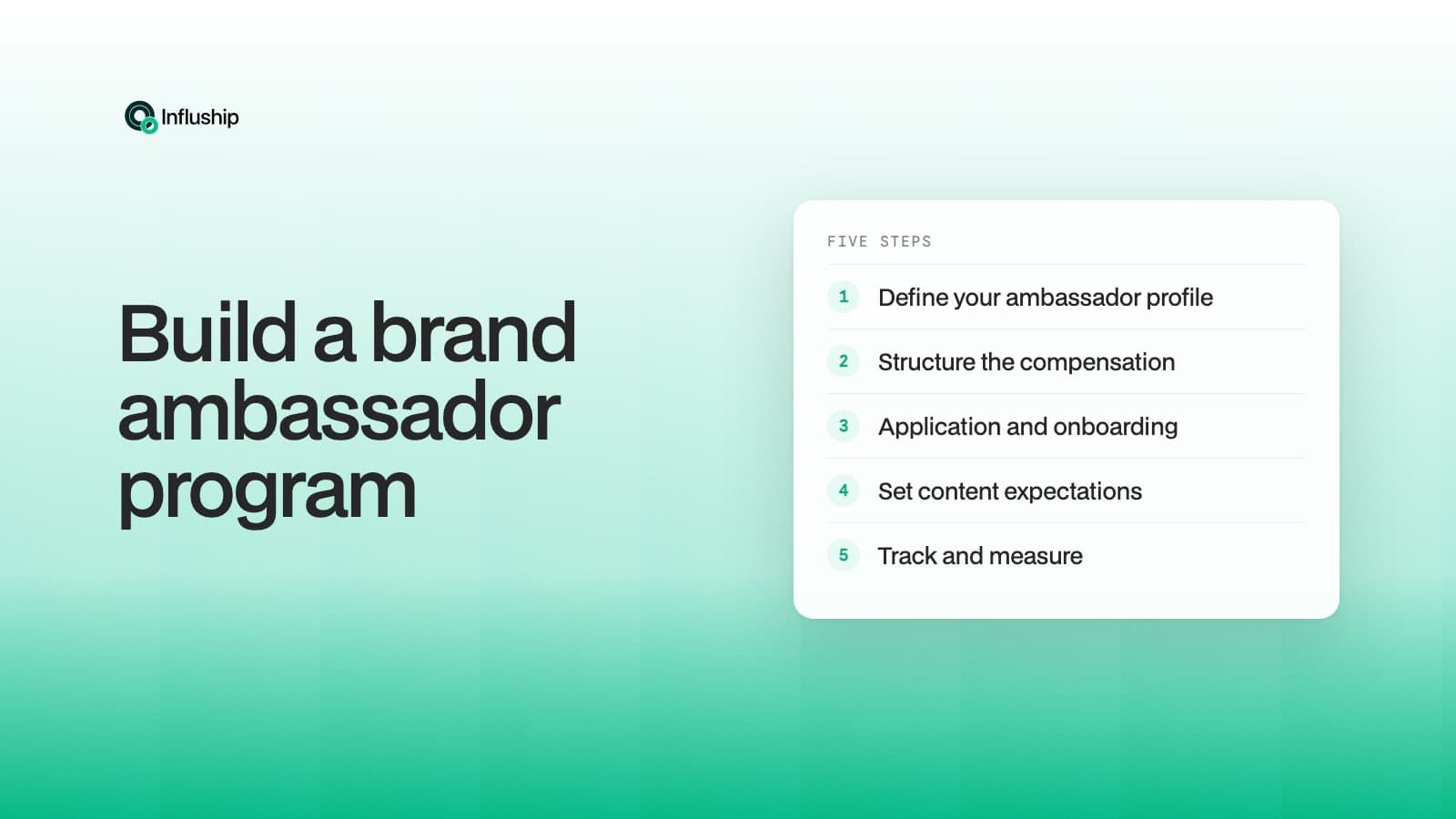
The strongest beauty programs convert one-off gifting into ongoing relationships. An ambassador roster of micro and nano creators who post consistently builds a steady content stream and compounding trust. Don't reinvent the structure; our brand ambassador program guide covers tiers, perks, contracts, and how to keep ambassadors active.
Founder-led and dupe / comparison content
Founder-led content (the founder explaining why they formulated something) works disproportionately well in beauty, where origin stories carry weight. So does comparison content: "dupe" and "is it worth it" videos drive enormous engagement. You can't fully control these, but you can seed product to creators who make them and be ready for the result.
Writing a beauty campaign brief
A good brief gives creators structure without scripting them into stiffness. For the general framework, see our influencer campaign brief guide and the components breakdown in what to include in an influencer brief. Beauty briefs need three category-specific additions.
- Shade and skin-type representation: Specify the shade range or skin types you want represented across the cohort. A complexion launch that only features fair skin will get called out.
- Before / after rules: If you allow transformation content, set honesty rules: no misleading filters on skin results, consistent lighting, realistic timelines.
- Claims compliance: Tell creators exactly what they can and cannot say. "Helps hydrate" is fine. "Cures acne," "heals," or "treats" turns a cosmetic into an unapproved drug claim and creates real legal exposure for the brand.
FTC and beauty-specific compliance
Beauty draws more disclosure and claims scrutiny than almost any consumer category, because the products touch skin and the marketing leans on results. Two rules matter most. First, disclosure: every gifted or paid partnership must be clearly disclosed with #ad or the platform's partnership label, on the post itself, not buried. The FTC's Endorsement Guides are explicit that this applies to free product, not just cash deals. Our FTC influencer marketing guidelines cover the specifics.
Second, claims and before/after honesty. Cosmetic claims are limited to appearance and feel. Anything implying the product affects the structure or function of the body, or treats a condition, can reclassify it as a drug in the eyes of the FDA. Doctored before-and-afters and undisclosed filters on skincare results are exactly what regulators and audiences flag first. Put the claim boundaries in the brief and review content before it goes live; you, the brand, are responsible for what your creators say.
Metrics that matter for beauty
Beauty programs drown in vanity metrics. Cut through them with a small set that ties back to sales.
- Trackable revenue over EMV: Earned media value is a useful directional benchmark for awareness, but it's not money. Prioritize code- and link-attributed revenue you can actually count.
- Code and link attribution: Give every creator a unique code or link so you know which partnerships drove checkouts, not just impressions.
- Save and share rate: For tutorial and routine content, saves and shares predict intent better than likes. People save what they plan to buy or recreate.
- Sampling-to-repurchase: The beauty-specific north star. Did the people who discovered you through a creator come back and buy again? Gifting that produces one-time buyers is cheap noise; gifting that produces repeat customers is the program working.
Mini case patterns
These are illustrative patterns, not specific brands, with round numbers to show the shape of each play. Treat them as templates, not benchmarks.
Indie skincare launch via micro gifting
A new serum brand gifts 60 micro and nano skincare creators (10K–60K followers) with a PR box and a unique discount code, no posting obligation. Roughly 35 post organically over six weeks. The brand promotes the 8 strongest posts to paid UGC deals with usage rights, then runs that creative as TikTok and Meta ads. The gifting seeds the launch cheaply; the paid layer scales the winners.
Established makeup brand ambassador roster
An existing complexion brand recruits 25 MUAs and everyday-glam micro creators into a 12-month ambassador program with monthly product, an affiliate commission, and early access to launches. The roster posts consistently across the year, supplies a constant stream of shade-diverse UGC, and the brand tracks performance by ambassador to renew the top half and rotate the rest. The value compounds: trust and content both build over time.
Fragrance via TikTok
A fragrance brand leans into "perfume tok." Instead of describing notes, it seeds product to creators who make scent-story and "smells like" comparison content, gives them a code, and lets the format do the work. One comparison video that lands can drive a sell-through spike no brand-produced ad would. The brand's job is finding the right creators and getting out of the way.
Beauty influencer marketing FAQ
How much do beauty influencers charge?
It depends heavily on tier and platform. Nano beauty creators often work for product alone or $50–200 per post. Micro creators typically run a few hundred to low four figures. Macro and celebrity beauty creators reach five figures and up per post. Beauty supply is high relative to other niches, which keeps nano and micro pricing competitive, so building your program at those tiers stretches budget furthest.
What is a good engagement rate for beauty influencers?
Engagement rate falls as follower count rises, so judge it against the tier. Nano beauty creators commonly post engagement rates above the platform average, micro creators sit in the low-to-mid single digits, and macro creators trend lower. More important than the headline number is whether the engagement is real and on-topic. Generic comments and bot followers inflate the rate without indicating buying intent, which is why vetting matters more than chasing a threshold.
Do I need a beauty influencer agency or beauty social media agency?
Not necessarily. A beauty social media agency makes sense if you have budget but no internal team and want campaigns run end to end. But agencies add a markup and a layer between you and the creators. Many beauty brands run programs in-house using discovery and vetting software to replace the part agencies charge most for: finding and qualifying creators. If finding the right creators is your bottleneck, Influship's creator discovery covers that without the retainer.
How many influencers do I need for a beauty launch?
For a launch built on micro and nano creators, plan for breadth: a cohort of 40–80 gifted creators with a realistic post-rate around half, plus a smaller paid layer of 5–15 for guaranteed content and ads, is a sensible starting shape. The exact number depends on budget and goal, but beauty launches generally reward many smaller, well-matched creators over a few large ones.
What are the best platforms for beauty, TikTok or Instagram?
Use both, for different jobs. TikTok drives discovery and viral moments, especially through skintok, perfume tok, and TikTok Shop's affiliate commerce. Instagram converts better for considered purchases through Stories link stickers, Reels, and shoppable posts, and it's where polished routine and shelfie content lives. Most beauty programs start on TikTok for reach and use Instagram to convert and retain.
Sources and further reading
- Influencer Marketing Hub — Influencer Marketing Benchmark Report (category share, engagement and pricing benchmarks).
- Federal Trade Commission — Disclosures 101 for Social Media Influencers (disclosure rules for paid and gifted partnerships).
- U.S. Food & Drug Administration — Is It a Cosmetic, a Drug, or Both? (the cosmetic-versus-drug claim line).
- Influship — Influencer Marketing Statistics for 2026 (creator-driven discovery and purchase data).