Gamers are the hardest audience in marketing to fool, and the easiest to reach if you do it right. They have grown up skipping pre-roll, blocking banners, and roasting any brand that talks down to them. But they will sit through a three-hour Twitch stream and a midroll read from a creator they trust. That gap, between what they reject and what they accept, is the whole game.
The audience is enormous. Newzoo put the global player base at roughly 3.4 billion in 2024 and projected it past 3.6 billion by 2027, which is close to half the planet. This is not a teen-boy niche anymore. Women make up a large share of mobile players, the average gamer is in their mid-30s, and Gen Z and Gen Alpha treat platforms like Twitch and YouTube Gaming the way older generations treated TV.
That scale is why brands far outside gaming now want in. Energy drinks and PC hardware are endemic, meaning they belong in the space natively. But non-endemic brands such as banks, car makers, fashion labels, and fast food have all run gaming creator campaigns to reach an audience they cannot find on linear TV. The catch is that the rules here are different from Instagram or TikTok influencer marketing, and most agency playbooks gloss over them.
This guide covers where gaming audiences actually live, the types of creators worth knowing, how to find and vet them without getting burned by view-botting, the sponsorship formats that work, what they cost, and how to measure whether any of it paid off. If you want the broader playbook across sectors, start with our influencer marketing by industry hub and treat this as the gaming chapter.
Why gaming is its own beast
Gaming creators sell trust, not reach. The format is built around it. A streamer spends hours live with a chat that talks back in real time, so the relationship feels less like broadcasting and more like hanging out. When that creator endorses a product, the audience weighs it against everything else they have seen the creator say. Fake enthusiasm gets caught instantly, and the backlash is public and fast.
Live, unscripted content is also the norm rather than the exception. On Twitch and during YouTube live streams there is no editing pass, no chance to retake the read, and no way to pull a clip back once it spreads. That cuts both ways: the authenticity is the value, but it also means brand safety has to be handled up front, not in post.
The endemic-versus-non-endemic split matters more here than in other niches. Endemic brands like Logitech, Razer, Red Bull, and Monster have built-in permission to show up. Non-endemic brands have to earn it with creative that respects the space. Chipotle, State Farm, Wendy's, and DoorDash have all run gaming campaigns that landed because they leaned into the culture instead of forcing a generic ad into it.
Where gaming audiences live
Gaming attention is fragmented across a handful of platforms, each with its own format, economics, and audience behavior. You cannot copy one strategy across all of them.
Twitch
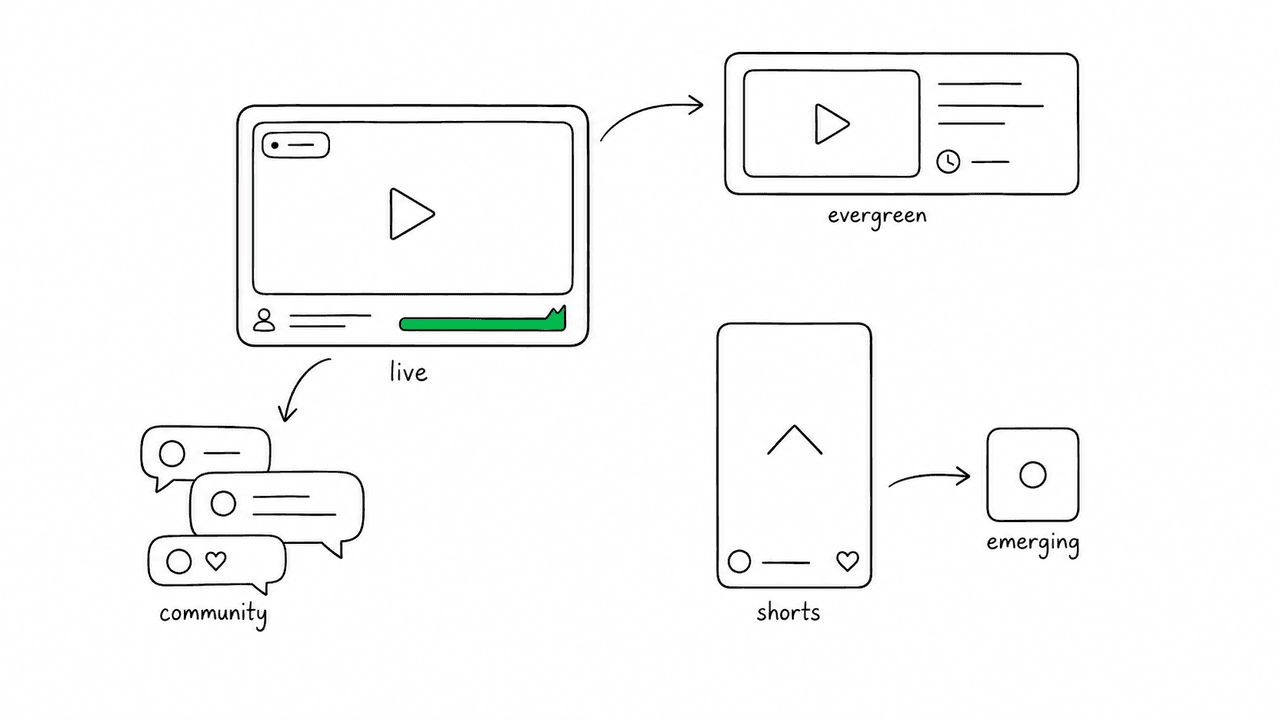
Twitch is still the home of live game streaming. Viewers measure success in concurrent viewers (CCV) and watch time, not follower counts. Streams Charts and StreamElements data consistently show Twitch delivering well over a billion hours watched per month. The native ad units are sponsored streams, segment reads where the creator pauses to talk about your product, subscriptions, bits, and raids that send one streamer's audience to another. Because the relationship is live and recurring, Twitch is where long-term ambassador deals pay off most.
YouTube Gaming
YouTube is the largest gaming video platform by total viewership, anchored by let's plays, reviews, tutorials, and increasingly Shorts. Unlike Twitch, content is evergreen: a sponsored integration in a popular video keeps earning views for months. YouTube also has the most measurable formats, with dedicated videos, 60-to-90-second integrations, and end-screen callouts that all carry clean tracking. If you want a campaign that compounds, YouTube Gaming is usually the safer bet.
TikTok gaming clips
TikTok is where gaming culture goes viral. Clip channels, reaction edits, and short highlights reach far beyond the core gaming audience and pull in casual and mobile players. It is the best platform for reaching mobile-game audiences and for top-of-funnel awareness, though it offers less of the deep trust that a long Twitch relationship builds.
Discord
Discord is not a content platform, it is the community layer. Most serious gaming creators run a Discord server where their most engaged fans live. For brands, Discord is where retention happens: sponsored channels, exclusive drops, and community events keep an audience engaged long after a stream ends. Discord joins are one of the cleaner signals that a campaign actually built community rather than just impressions.
Kick
Kick is the emerging challenger, built around streamer-friendly revenue splits that pulled several high-profile creators away from exclusive Twitch deals. It is smaller and its moderation reputation is mixed, which raises brand-safety questions, but it is worth watching if your audience skews toward the streamers who moved there.
Cutting across all of these is the platform a creator plays on. PC creators dominate competitive and variety streaming, console creators anchor big franchise launches, and mobile creators reach the largest and most casual audience. If you are running mobile game influencer marketing, your best fit is usually TikTok and YouTube Shorts mobile-game creators, not the top Twitch PC streamers.
Types of gaming creators
"Gaming influencer" covers wildly different creators. Matching the type to your goal matters as much as picking the platform.
- Variety streamers play whatever is trending. Broad reach, loyal audience, good for non-endemic brands that want general gaming credibility.
- Single-game mains live inside one title. The most efficient buy if your product maps to that game or genre, because the audience is pre-qualified.
- Speedrunners and skill creators draw small, deeply engaged audiences who respect mastery. Niche but high-trust.
- Esports pros and orgs bring competitive credibility and large team audiences. Best for jersey sponsorships, tournament tie-ins, and reaching hardcore fans.
- Gaming theme pages aggregate clips, news, and memes. High reach, lower trust, good for awareness and giveaways.
- Cozy-gaming and underserved niches such as female-gamer communities and cozy or sim creators reach audiences the mainstream playbook ignores, often at lower cost and higher engagement.
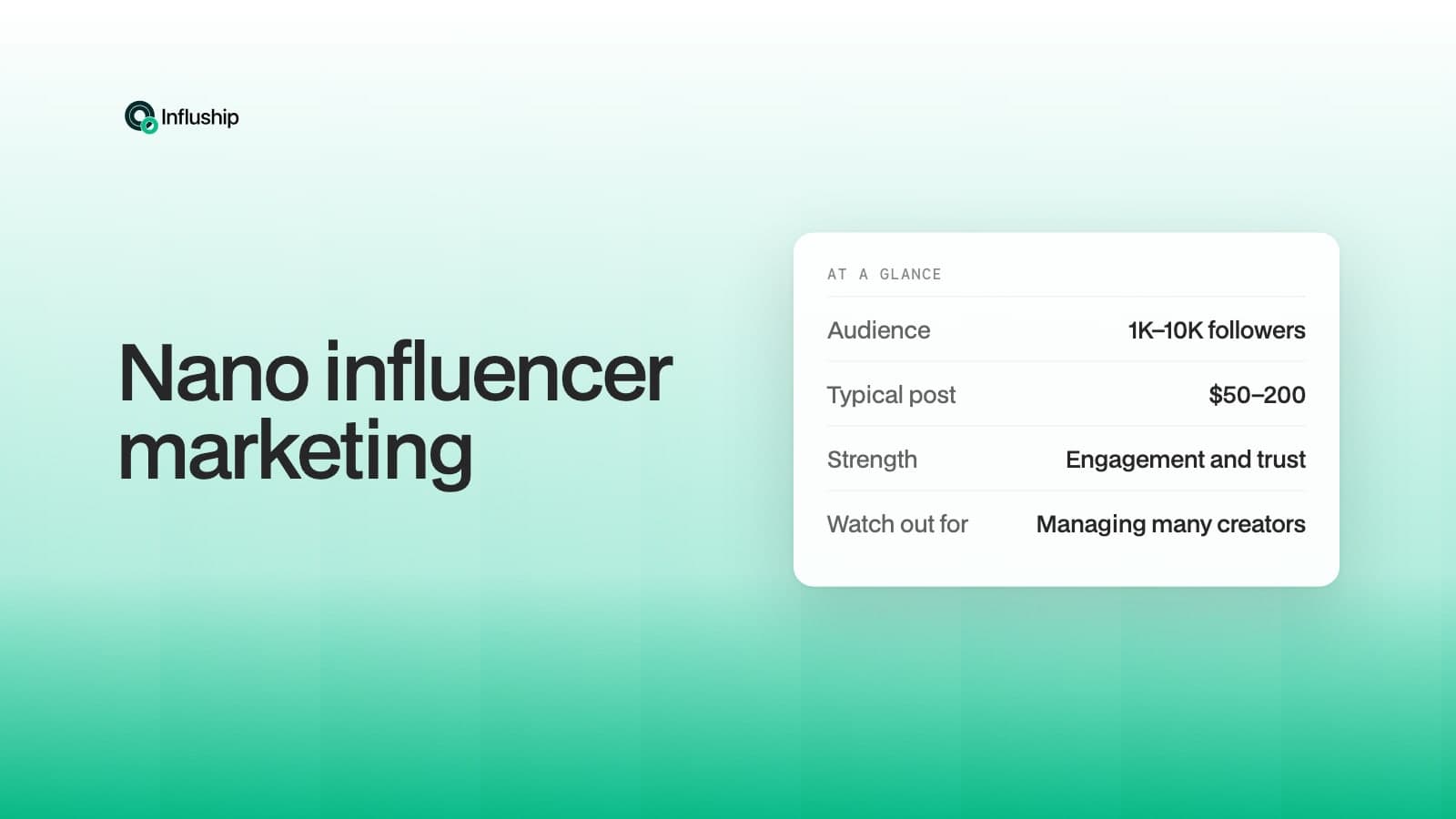
Tiering works the same way it does everywhere else, but the labels skew differently on streaming platforms because a streamer with a few hundred concurrent viewers can outperform a creator with a million followers. Read our breakdown of macro versus micro influencers and the case for nano influencer marketing before you decide where to spend, because in gaming the small, dedicated channels often convert best.
How to find gaming influencers
There are two ways to build a shortlist. The manual route is browsing the Twitch directory by game and category, searching YouTube for the genres you care about, scanning gaming Twitter/X, and reading esports org rosters. It works, but it is slow and it surfaces only the creators you already know to look for.
The faster route is semantic search. Instead of guessing usernames, you describe the audience and creative fit you want and let the system return matches with reasons. That is what Influship's influencer discovery is built for: search in plain language, filter by audience and engagement, and expand from a few good creators to a full lookalike list. It covers Instagram today, with YouTube and TikTok coming soon, so Twitch and YouTube sourcing still run through the manual route.
Whichever route you take, vetting in gaming has a specific trap: fake viewers. Twitch view-botting inflates concurrent-viewer counts, and bot-padded chat can make a dead channel look alive. Before you pay anyone, check that CCV moves naturally over a stream rather than sitting at a suspiciously flat number, that chat is real conversation rather than copy-pasted emotes, and that engagement scales with viewership. Our guide on how to detect fake followers applies directly here, with concurrent-viewer authenticity standing in for follower authenticity.
Sponsorship formats and deal structures
The formats that work in gaming map to the platforms and creator types above.
- Sponsored streams and segment reads. The creator dedicates a stream, or a scripted segment within one, to your product. Priced on CCV and watch time.
- Product placement and overlays. Branded overlays, logo bugs, and on-screen codes that run passively during gameplay. Low-friction, good for always-on presence.
- Tournament and esports sponsorships. Jersey patches, event naming, and broadcast spots. This is the core of esports influencer marketing, and Newzoo's esports reports have shown sponsorship as the single largest revenue stream in the sector, ahead of media rights.
- Affiliate codes and key drops. Trackable discount codes and giveaway keys tie a creator directly to redemptions, which makes ROI easy to measure.
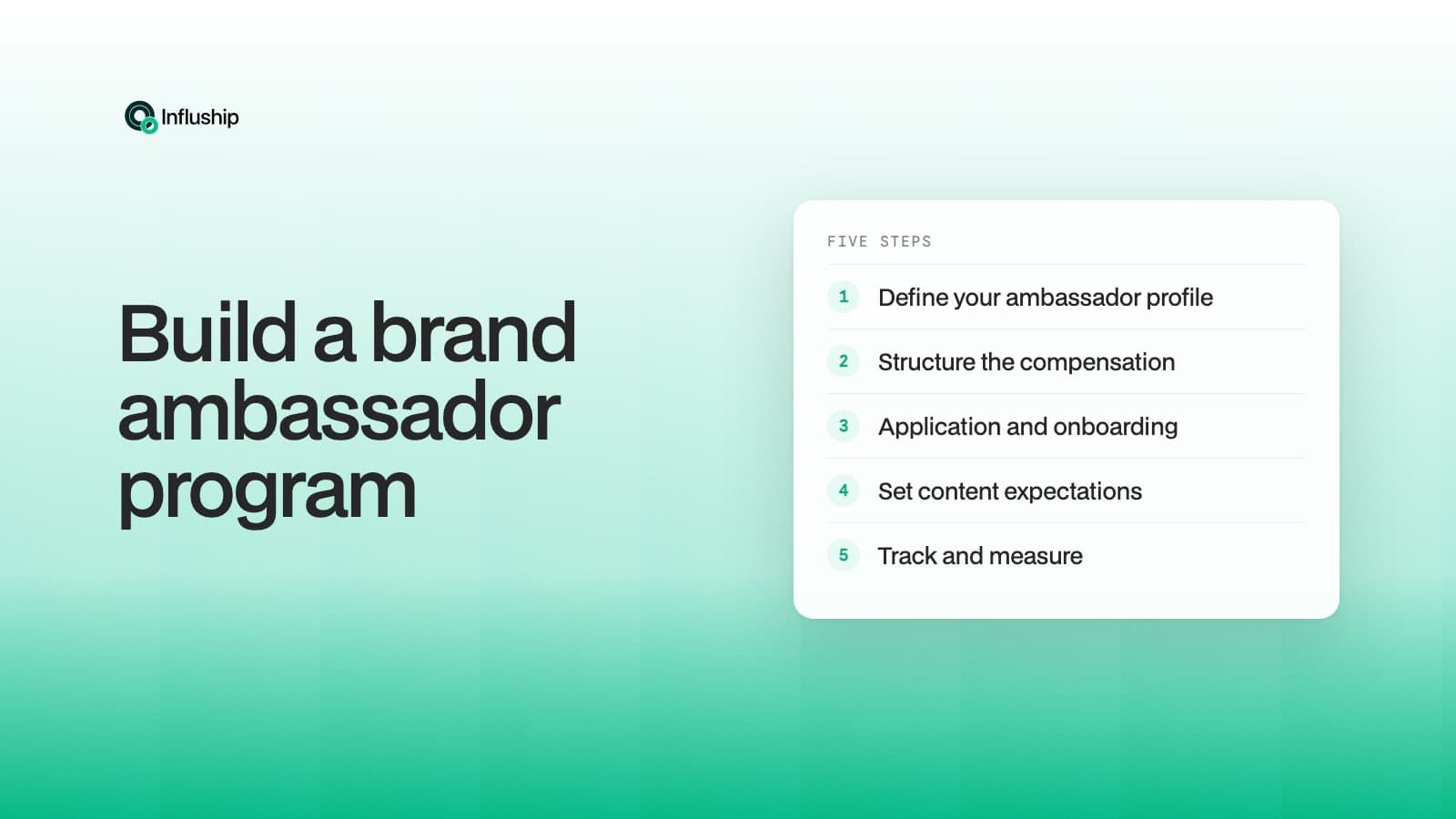
- Long-term ambassador deals. Recurring sponsorships that compound trust over months. See our brand ambassador program guide for how to structure these.
- Game-launch creator campaigns. Gifting early-access keys and review copies to drive wishlists and launch-day concurrent players. The standard playbook for new game releases.
Pricing benchmarks
Streamer pricing is built on concurrent viewers, not followers. A common rule of thumb is a CPM applied to average CCV times stream length, which is why two creators with the same follower count can quote very different rates. Rough live-read ranges run from low hundreds of dollars for nano streamers (a few hundred CCV) into five figures and up for top creators with tens of thousands of concurrent viewers, with YouTube dedicated videos and integrations priced separately on expected views. These are directional, not quotes; rates vary by game, audience geography, and exclusivity. For a full breakdown of how to model creator costs across formats, use our influencer pricing guide.
Briefs and compliance for gaming
Live content forces a choice on how tightly to script. Fully scripted live reads protect your message but sound stiff and the audience notices. Free-form reads, where you give the creator talking points and let them say it their way, perform better but require more trust. For live streamers, lean toward talking points plus a few non-negotiables rather than a word-for-word script.
Brand safety in live, unscripted content is the real risk. You cannot edit a stream after the fact, so the controls have to be contractual and up front: clear conduct expectations, the right to pause a campaign, and creators whose track record fits your brand. Build that into the deal using the principles in our brand safety framework.
Disclosure is not optional. The FTC requires clear, conspicuous disclosure of paid partnerships, and live streams and overlays are explicitly in scope: a verbal disclosure at the start of a stream fades, so the FTC expects ongoing, visible disclosure for viewers who join midway. Our FTC influencer marketing guidelines cover exactly how to handle this for streams, overlays, and short clips.
Measuring ROI
Vanity follower counts are the wrong scorecard in gaming. Measure what the format actually produces:
- Concurrent viewers and watch time for reach and attention quality.
- Code redemptions and affiliate sales for direct, attributable revenue.
- Wishlist adds and downloads for game-launch campaigns, the leading indicator of launch-day players.
- Discord joins and community growth for whether the campaign built lasting engagement.
- Clip and Shorts spread for earned reach beyond the original stream.
Tie every campaign to one or two of these before it launches. A sponsored stream with no trackable code and no wishlist goal is impossible to evaluate, and unevaluable campaigns are how budgets get cut.
Frequently asked questions
Do I need a gaming influencer marketing agency?
Not necessarily. Agencies help if you are running large esports sponsorships or lack any in-house gaming knowledge, but they add a margin and a layer between you and the creators. Many brands run gaming campaigns directly using a discovery and vetting platform to find creators, then manage relationships in-house. If your campaigns are small or mid-sized, a platform usually beats a gaming influencer marketing agency on cost and control.
How much do Twitch streamers charge?
It depends on concurrent viewers. Nano streamers with a few hundred CCV may charge a few hundred dollars for a sponsored stream, while top streamers with tens of thousands of concurrent viewers can command five figures or more per stream. Pricing is based on CCV and watch time, not follower count.
Twitch or YouTube for gaming sponsorships?
Twitch is better for live, recurring, trust-driven campaigns and long-term ambassador deals. YouTube is better for evergreen reach and clean measurement, since a sponsored video keeps earning views for months. Many brands use both, with Twitch for relationship-building and YouTube for reach that compounds.
How do I sponsor esports?
Esports sponsorship ranges from jersey patches and team partnerships to tournament naming and broadcast spots. Start by identifying the games and teams your audience follows, then approach orgs directly or through the tournament organizer. Sponsorship is the largest revenue stream in esports, so there is an established commercial process to plug into.
What are the best games for brand sponsorships?
The best games are the ones your target audience already plays, not just the biggest titles. Broad-reach picks include Fortnite, Minecraft, Grand Theft Auto, and League of Legends, while cozy and mobile titles reach audiences the mainstream ignores. Match the game to your audience rather than chasing whatever is most popular.
Find gaming creators that fit your brand
Gaming influencer marketing rewards precision: the right creator, on the right platform, with a format the audience already trusts. The hard part is finding those creators and proving they are real before you spend. That is the problem Influship's discovery engine solves — search for gaming creators in plain language, vet their audiences, and build a shortlist that fits. Request a demo to see it run on your next gaming campaign.
Sources and further reading
- Newzoo, Global Games Market Report 2024 (global player population and growth projections).
- Newzoo, Global Esports & Live Streaming Market Report (esports revenue streams, sponsorship as largest segment).
- StreamElements & Rainmaker.gg, State of the Stream (Twitch and YouTube Gaming hours-watched data).
- Streams Charts, Twitch & Kick viewership analytics (concurrent viewers, platform trends).
- Federal Trade Commission, Disclosures 101 for Social Media Influencers (live-stream and overlay disclosure requirements).
- Influship, Influencer Pricing Guide (CPM and tier-based pricing models).