Food is one of the most saved, shared, and re-watched categories on Instagram. A single recipe Reel or a styled brunch carousel can do more for a CPG launch or a restaurant opening than a month of paid ads. The problem isn't that food creators are hard to find. It's that Instagram's own search is terrible at surfacing the right ones.
Type "food" into Instagram and you get a wall of mega-accounts with millions of followers and audiences scattered across every continent. None of that helps a Austin taco shop, a gluten-free cookie brand, or a DTC cold-brew startup. What you actually need are the nano and micro creators who post your cuisine, in your city, for your dietary niche, and whose followers actually act on a recommendation.
This is the food-specific playbook. If you want the general version that covers every category, read how to find influencers on Instagram first. This guide assumes you already know the basics and goes deep on the signals that only matter for food: plating quality, recipe formats, restaurant geo-tags, and dietary specialization. By the end you'll know the four types of food influencers worth knowing, the manual tactics to find them, how to vet a profile before you DM, and how to do all of it at scale when manual stops working.
Why Instagram is still the home of food creators
Food content thrives on Instagram because the platform rewards exactly what food does best: beautiful visuals, short watchable video, and saveable reference content. People bookmark recipes to cook later and screenshot restaurant lists before a trip. Reels and carousels are the engines here. Reels push recipes and restaurant finds to non-followers (discovery), and carousels hold attention slide by slide for step-by-step cooking and menu reveals. Instagram confirms in its own business resources that Reels are built for reaching new audiences, which is why food discovery skews so heavily toward video right now.
Here's the catch. Instagram's native search is keyword-weak. It surfaces popular, broad accounts, not the right-fit creators for your specific cuisine, city, or dietary niche. Search "vegan" and you'll find huge generalist accounts long before you find the 18K-follower plant-based baker in Portland whose followers screenshot every recipe she posts. The manual tactics below work, but they get tedious fast, which is the whole reason software exists for this (more on that later).
The 4 types of food influencers (know what you're looking for)
"Food influencer" is too broad to search for. There are at least four distinct types, and they fit completely different goals. Decide which one you need before you open Instagram, or you'll waste hours scrolling past creators who were never a fit.
Recipe developers and home cooks
These creators write original recipes and film cooking Reels and step-by-step carousels. They're the best fit for CPG ingredients, kitchen appliances, meal kits, and pantry brands, because their content is literally a demonstration of your product in use. Look for a repeatable recipe format (same intro, same plating style, same caption structure) and a high save count relative to likes. Saves are the food creator's most valuable signal: they mean people intend to actually cook it.
Restaurant reviewers and local foodies
These are the city-tagged "where to eat" accounts. They post round-ups, hidden-gem finds, and tasting videos tied to a specific metro. They're ideal for restaurants, delivery brands, and hospitality. The best ones are hyper-local micro-accounts in the 5K–50K range with outsized trust in their city. A 20K-follower "@eatNYC"-style account whose audience is 80% in your delivery radius will drive more covers than a 500K national food account. If restaurants are your focus, our guide to influencer marketing for restaurants goes deeper on local campaign mechanics.
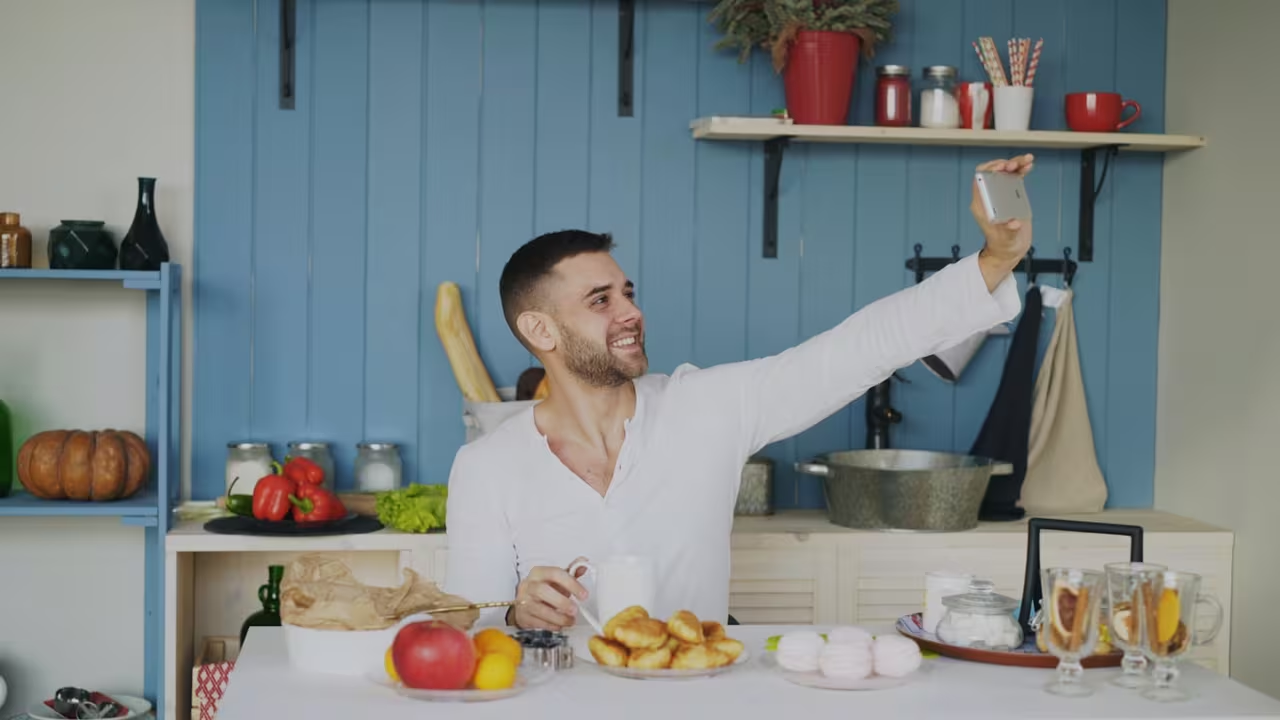
Food photographers and stylists
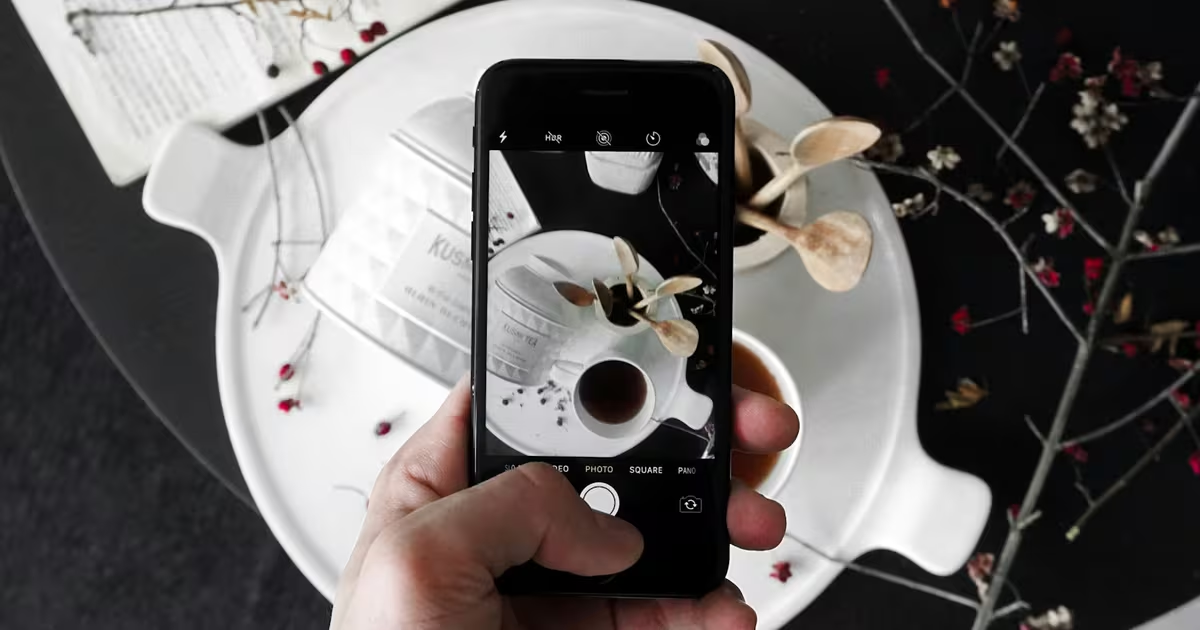
These creators produce editorial, brand-ready imagery: moody plating, perfect light, magazine-grade composition. They're excellent for premium product shoots and licensed content you can repurpose across your own channels, but their reach is often modest. Hire them when you want the asset as much as the post. Check whether they license usage and whether their existing feed matches the aesthetic you want for your brand.
Mukbang, tasting, and food-challenge creators
High-energy entertainment accounts: tasting reactions, mukbangs, "I tried every" formats, viral food challenges. Engagement is enormous, which makes them powerful for snacks, fast food, and viral product drops. The flip side is that the content is entertainment first, so the audience may be broad rather than buying-intent. Disclosure also matters more here because the line between organic and paid is blurry. Make sure they label sponsored content properly per the FTC influencer guidelines.
Quick map of which type fits which goal:
| Your goal | Creator type |
|---|---|
| Sell a CPG ingredient, appliance, or meal kit | Recipe developers / home cooks |
| Drive covers, delivery, or a restaurant opening | Restaurant reviewers / local foodies |
| Get premium, reusable brand imagery | Food photographers / stylists |
| Launch a snack or viral product drop | Mukbang / tasting / challenge creators |
How to find them on Instagram (the manual tactics)
These tactics are free and they work for building a starter list of three to five creators. The trick with food is to stack signals so you filter out the generalists fast.
Hashtag search done right
Don't search broad food tags alone. Layer three dimensions: niche, intent, and geo. Combine a broad tag (#foodie, #recipedeveloper) with a niche tag (#veganbaking, #glutenfreerecipes, #bbqlife) and a city tag (#nycfood, #austineats, #pdxeats). The intersection is where your right-fit creators live. Then toggle between the Top and Recent tabs: Top shows you who's already viral, Recent shows you who's actively posting and still small enough to respond to a DM. For food, Recent is where you find the nano creators with the highest engagement.
Train your Explore page
Instagram's Explore page is a recommendation engine. Spend a few days saving, liking, and following content in your exact niche, and Explore will start surfacing adjacent food creators you'd never find by searching. Do this from a clean or burner account so you don't pollute your main feed, and so the signal stays focused on (for example) vegan dessert Reels rather than your personal mix of interests. Within a week you'll have a steady stream of on-niche creators served to you automatically.
Mine location tags and the map
This is the single most powerful tactic for restaurants and local food brands, and it has no equivalent in other categories. Open your venue's location tag and scroll everyone who has posted from there. Then open your competitors' location tags and your favorite rival restaurants' tags. You're looking at a ready-made list of creators who already post about your area and cuisine and have proven they'll show up in person. For a new opening, this turns into your launch invite list.
Reels and trending audio
Search trending food audios and recipe Reel formats, then click through to the creators using them. Because Reels reach skews heavily toward discovery, the creators riding a trending sound in your niche are the ones getting served to new audiences right now. A creator using the same recipe-Reel template repeatedly has a format that works, which is exactly what you want attached to your product.
The snowball method
Find one strong, on-brand creator, then mine their network. Tap "Suggested for you" on their profile (Instagram lists similar accounts), check who they tag in collab posts, and look at who tags your competitors. One good seed creator typically leads you to a dozen adjacent ones. Food communities are tight and local, so this compounds quickly.
How to vet a food influencer's profile (before you DM)
A creator who looks great in a 10-second scroll can still be wrong for you. Run every shortlisted profile through these five checks before you reach out.
- Engagement rate sanity check. Calculate (likes + comments) / followers. Food micro-accounts commonly land in the 3–6% range, higher than most other niches per benchmark data from the Influencer Marketing Hub benchmark report. A food account with 200K followers and 800 likes per post is a warning sign.
- Comment quality. Real food audiences ask real questions: "what temp and how long?", "is this freezer-friendly?", "recipe please!". Strings of generic emojis and "so good!" from photoless accounts signal bots. If the engagement looks fake, run the profile through our fake follower detection guide.
- Content consistency and cuisine fit. Do they actually cover your niche, or did they post one vegan recipe among 50 steak Reels? You want a creator whose feed is genuinely about BBQ, baking, fine dining, or whatever you sell, not a generalist who'll treat your product as a one-off.
- Audience location. A 200K creator whose followers are mostly overseas is useless for a single-city restaurant. For local campaigns, audience geography matters more than follower count. Ask for their audience location breakdown before you commit.
- Past brand work and disclosure hygiene. Look at how they've handled previous sponsorships. Do they label #ad and use the Paid Partnership tag properly? Sloppy disclosure is both an FTC risk for you and a sign of an inexperienced partner.
Doing this at scale without the hashtag grind
Be honest about where the manual tactics stop working. They're great for finding three to five creators for a small campaign. They fall apart when you need 50 vetted, on-brand food creators in a specific city or dietary niche, with real audience metrics, this week. Hashtag-hopping and profile-by-profile vetting simply doesn't scale, and the geo and dietary precision you need is exactly what Instagram's keyword search is worst at.
This is what Influship's natural-language creator search was built for. Instead of guessing hashtags, you describe the creator you want in plain English and get back a ranked list with match reasons and real audience data. A query looks like this:
"Micro food influencers in Austin who post vegan recipe Reels, 10k–80k followers, engagement over 4%" → returns ranked creators with match reasons (cuisine fit, location, content format) plus real audience metrics and authenticity signals.
Semantic search beats hashtag guessing precisely on the dimensions that matter for food: niche specialization and geography. It understands that "plant-based baker" and "vegan dessert recipe developer" are the same intent even when the creator never used your hashtag, and it filters by where the audience actually lives, not just where the creator is tagged.
Quick-start checklist
- Pick the creator type that matches your goal (recipe dev, local foodie, stylist, taster).
- Layer hashtags: broad + niche + city, and check the Recent tab, not just Top.
- Train a clean Explore feed on your exact niche for a few days.
- Mine location tags (yours and competitors') for local creators.
- Click through trending food Reels and audio to find creators getting discovery right now.
- Vet each shortlist profile: engagement rate, comment quality, cuisine fit, audience location, disclosure.
- Shortlist 5–10 right-fit creators, then send personalized outreach.
- Hitting a wall at scale? Use semantic search to pull 50 vetted creators by niche and geo in one query.
FAQ
How many followers should a food influencer have?
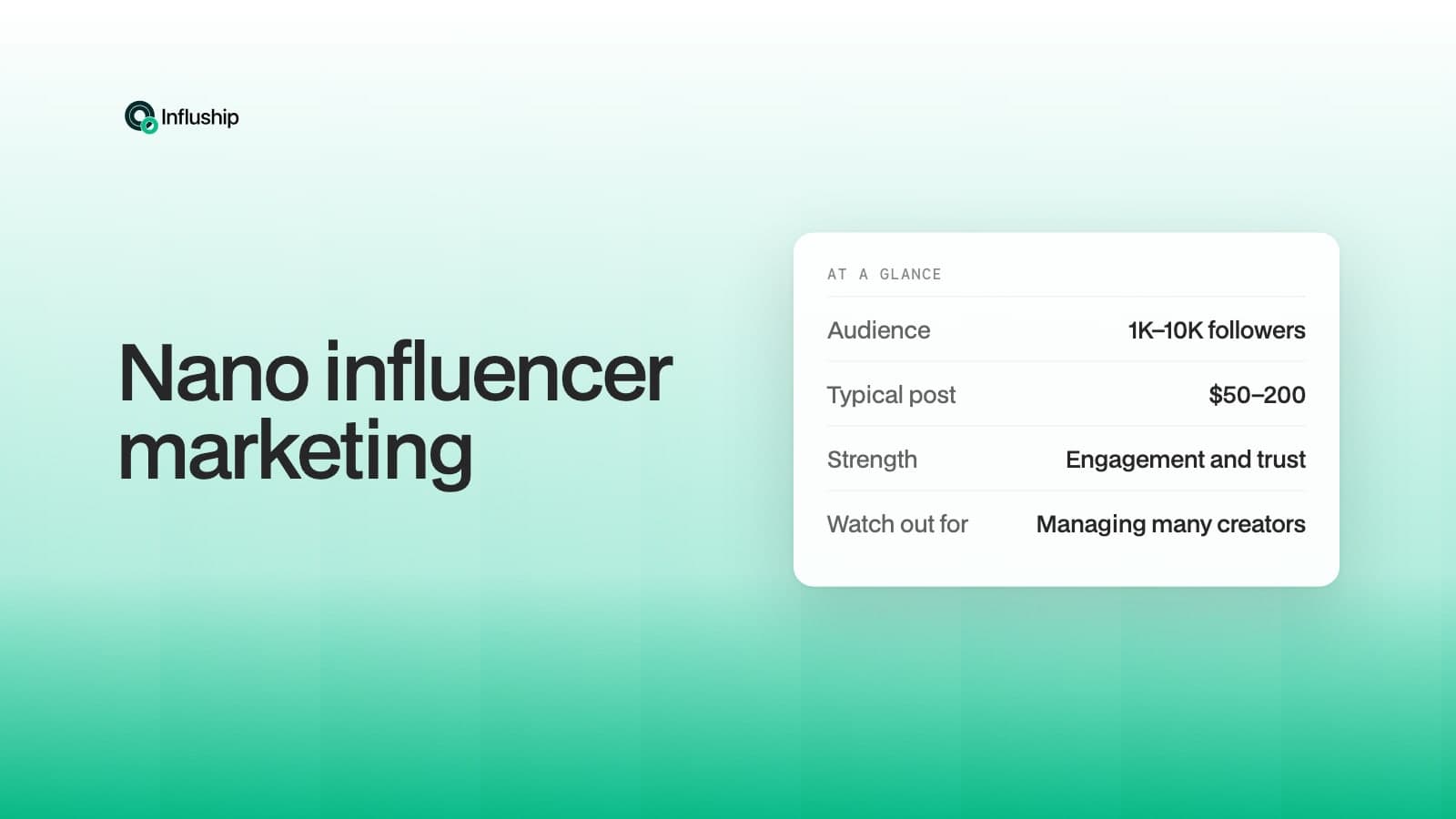
For most brands, nano and micro creators in the 1K–50K range deliver the best ROI. They post the highest engagement rates (often 3–6% for food), their recommendations read as genuine, and they cost a fraction of macro accounts. Go bigger only when broad awareness is the goal. For the full tradeoff, read macro vs micro influencers and our guide to nano influencer marketing.
Are food influencers expensive?
It depends entirely on tier and format. Nano food creators often work for product alone or $50–200 per post, micro creators run a few hundred to low four figures, and macro creators reach five figures. Food has high creator supply relative to demand, which keeps nano and micro pricing competitive, so building your program at those tiers stretches budget furthest. See the full breakdown in our influencer pricing guide.
How do I find local food and restaurant influencers?
Three tactics, in order. First, open your venue's location tag and your competitors' tags to see who already posts about your area. Second, search city food hashtags (#nycfood, #austineats) and filter to the Recent tab. Third, when you need precision and volume, use Influship's geo-aware search to pull creators whose audience lives in your delivery radius, not just creators tagged in your city.
What's the difference between a food blogger and a food influencer?
A food blogger publishes long-form recipes and articles on a website they own, optimized for search. A food influencer's primary platform is social, where reach depends on the algorithm and engagement rather than Google. Many people are both. For Instagram campaigns the distinction matters less than the signals that actually predict performance: engagement quality, cuisine fit, and audience location.
Sources and further reading
- Instagram for Business — Reels best practices and discovery.
- FTC — Disclosures 101 for social media influencers (see also our FTC guidelines breakdown).
- Influencer Marketing Hub — Influencer Marketing Benchmark Report (engagement-rate benchmarks).
- Influship glossary — influencer discovery and influencer vetting.